Hair loss shampoos with active ingredients like ketoconazole work for specific types and stages of hair loss, but they are not effective for everyone. Understanding who benefits and who needs a different approach saves months of trial and error.
Who Benefits Most from Hair Loss Shampoos
Early-Stage Androgenetic Alopecia (Norwood 1 to 3)
Men with early pattern hair loss see the most value from medicated shampoos. At Norwood Stage 2 (800 to 1,500 grafts if surgical restoration were needed) and Norwood Stage 3 (1,500 to 2,200 grafts), follicles are still active but miniaturizing. Ketoconazole shampoo reduces local DHT and inflammation, which may slow this process.
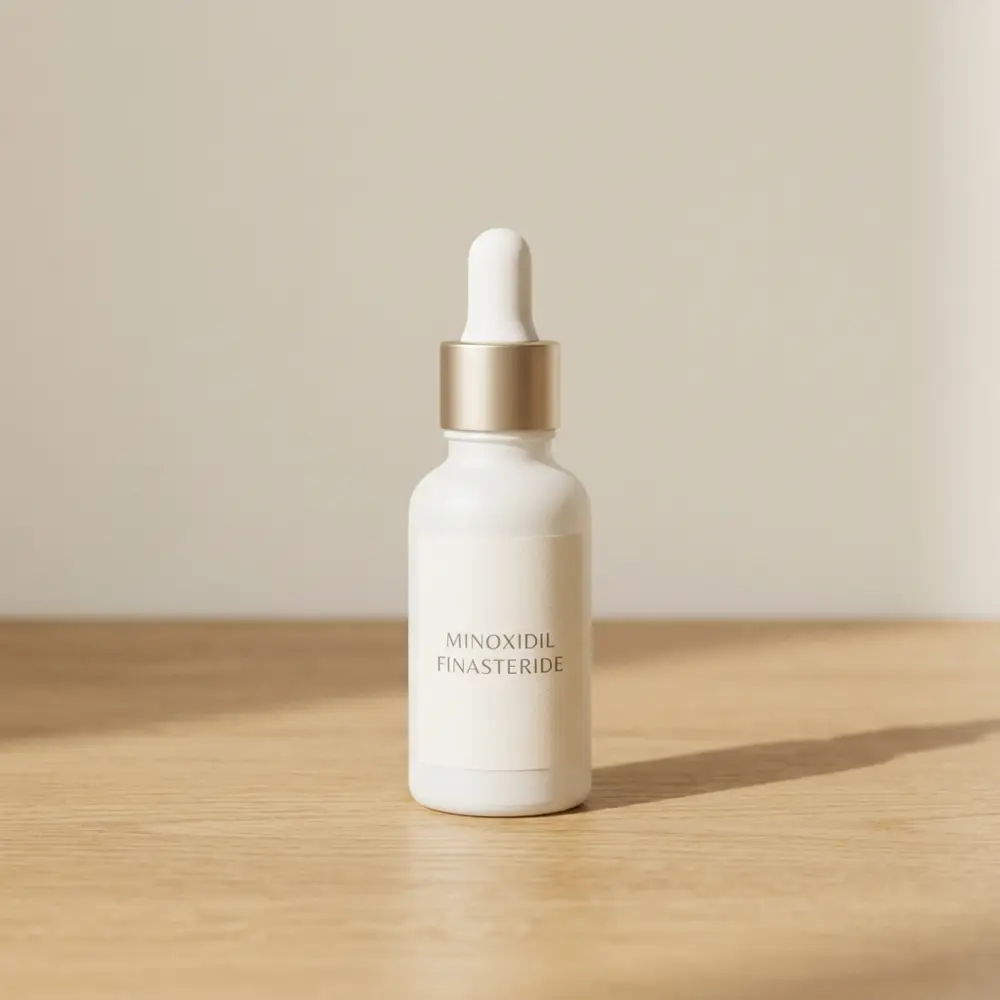
At these stages, shampoo works best alongside finasteride (80-90% halt further loss, 65% regrowth) and minoxidil (40-60% moderate regrowth). The combination provides comprehensive coverage: finasteride blocks systemic DHT, minoxidil stimulates follicles, and ketoconazole addresses scalp-level DHT and inflammation.
Seborrheic Dermatitis Patients
If your hair loss is accompanied by scalp flaking, redness, or itching, ketoconazole and zinc pyrithione shampoos address both the dermatitis and the associated hair thinning. Seborrheic dermatitis causes inflammation that can accelerate hair loss, so treating the condition directly supports hair retention.
Post-Transplant Maintenance
Patients who have undergone FUE (7 to 10 day recovery, 90-95% graft survival) or FUT procedures benefit from medicated shampoo as part of their long-term maintenance plan. The shampoo protects native hair that remains susceptible to DHT-driven loss.
Who Should Not Rely on Shampoo
Advanced Pattern Baldness (Norwood 5 to 7)
At Norwood Stage 5 (3,000 to 4,500 grafts) through Norwood Stage 7 (5,500 to 7,500 grafts), significant follicle loss has already occurred. Shampoo cannot regrow hair from dormant or dead follicles. At these stages, hair transplant surgery is the primary restoration option, with shampoo serving only a supporting role.
Alopecia Areata
Autoimmune hair loss (alopecia areata) is driven by the immune system attacking hair follicles. DHT-blocking shampoos do not address this mechanism. Alopecia areata requires dermatological treatment with corticosteroids, immunotherapy, or newer JAK inhibitor medications.
Scarring Alopecia
Conditions like frontal fibrosing alopecia and lichen planopilaris destroy follicles permanently through scarring. Hair loss shampoos have no effect on scarred tissue. These conditions require specialist dermatological care.
Telogen Effluvium from Medical Causes
Temporary shedding caused by surgery, medication, illness, or extreme stress (telogen effluvium) resolves when the underlying cause is addressed. Hair loss shampoos neither cause nor cure telogen effluvium. The hair regrows naturally once the trigger is removed.
Candidacy Quick Reference
| Hair Loss Type | Shampoo Helpful? | Best Approach |
|---|---|---|
| Norwood 1-3 (early pattern) | Yes, as combination therapy | Shampoo + finasteride + minoxidil |
| Norwood 4-5 (moderate pattern) | Supportive only | Transplant + medication + shampoo |
| Norwood 6-7 (advanced pattern) | Minimal benefit | Transplant + medication |
| Seborrheic dermatitis | Yes | Ketoconazole 2-3x weekly |
| Alopecia areata | No | Dermatologist, immunotherapy |
| Scarring alopecia | No | Specialist dermatology |
| Telogen effluvium | No | Address underlying cause |
| Post-transplant care | Yes | Part of maintenance protocol |
The 40% Rule
Only 40% of men with pattern baldness are candidates for medication monotherapy. This means most men need a combination of treatments to achieve meaningful results. Shampoo alone falls into this category: it is a helpful addition but rarely sufficient as a standalone treatment for androgenetic alopecia.
For a detailed breakdown of how shampoo fits into broader treatment plans, see our complete hair loss shampoo guide. To understand how medication compares to surgical options, read our finasteride vs hair transplant comparison.
Know Your Type and Stage First
The single most important step before choosing any treatment, including shampoo, is knowing what type of hair loss you have and how advanced it is. Patterned loss at Norwood Stage 3 requires a completely different approach than diffuse thinning from a nutritional deficiency.
Get a free AI assessment at myhairline.ai/analyze. The analysis identifies your Norwood stage from a single photo, processed privately in your browser. With your stage confirmed, you can evaluate whether hair loss shampoo, medication, surgery, or a combination is the right fit for your situation.
Medical disclaimer: This article is for informational purposes only and does not constitute medical advice. Consult a board-certified dermatologist or hair restoration specialist before starting any treatment.