What to Expect After a Hair Transplant: Week by Week Recovery
A realistic week-by-week timeline of hair transplant recovery, from the first night through 12 months of growth.
The Real Recovery Timeline
Hair transplant recovery isn't just about healing - it's a months-long process of shedding, dormancy, and gradual regrowth. Here's what actually happens, week by week, so you know what's normal and what's not.
Days 1-3: The Immediate Aftermath
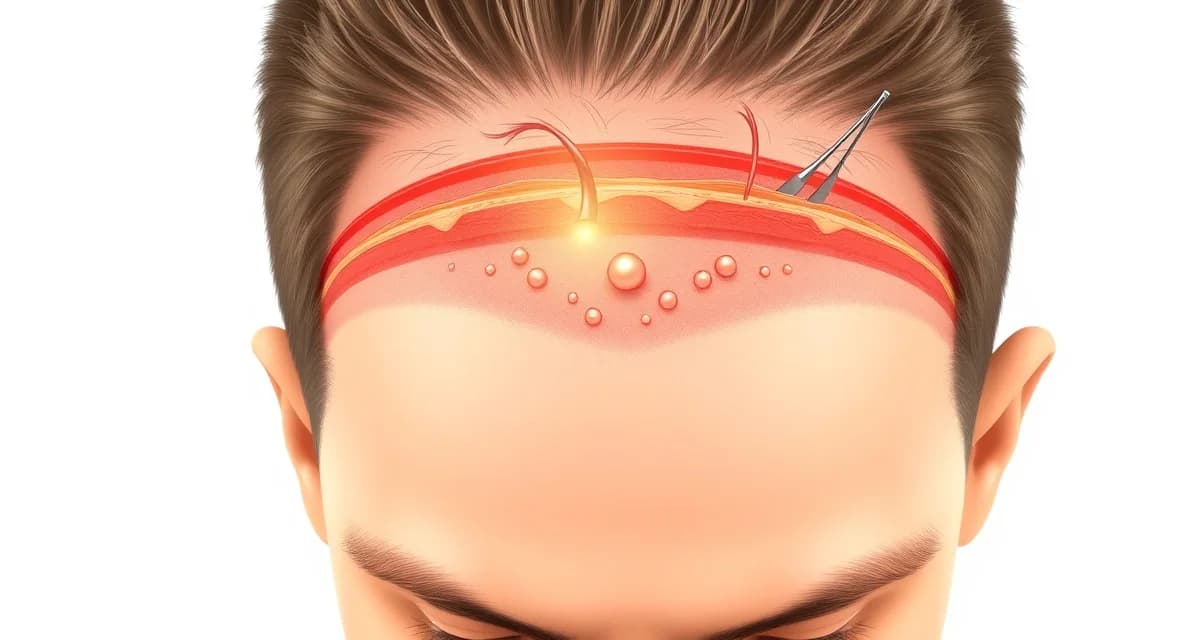
Your scalp will look red and swollen, with tiny crusts forming around each implanted graft. The donor area (back of head) will feel tight or sore. Most clinics provide a headband to manage forehead swelling, which typically peaks on days 2-3. You'll sleep elevated at 45 degrees for the first few nights. Pain is usually mild - most patients manage with over-the-counter painkillers.
Days 4-10: Scabbing and Patience
Small scabs form around each graft. Do not pick or scratch them. Most clinics allow gentle washing starting day 3-5, using a cup to pour water rather than direct shower spray. By day 7-10, scabs should be falling off naturally. The donor area (FUE dots or FUT suture line) continues healing.
Weeks 2-4: The Shedding Phase
This is where most patients panic. The transplanted hairs fall out. This is completely normal and expected. The follicle was transplanted - the hair shaft is just the part that was above the skin. It sheds while the follicle settles into its new location. You'll look similar to your pre-surgery state during this phase.
Months 2-3: The Dormant Phase
Not much visible change. The follicles are alive beneath the skin but resting. This is the hardest period psychologically. Stay consistent with any prescribed medications (finasteride, minoxidil) and follow your surgeon's post-op instructions. Some patients see fine "peach fuzz" starting at the end of month 3.
Months 4-6: Early Growth
New hairs begin emerging - thin and fine at first, gradually thickening. By month 6, you should see noticeable improvement. The hairs may appear wiry or curly initially, even if your natural hair is straight. This usually normalizes over the following months.
Months 8-12: The Payoff
The bulk of your results become visible between months 8 and 12. Hair continues to thicken and mature. Final density isn't typically judged until 12-18 months post-surgery. At the one-year mark, you and your surgeon can assess the outcome and discuss whether a second session might be beneficial for added density.
Managing Expectations
A single transplant session won't give you the density of your teenage years. A well-done transplant creates the appearance of fuller coverage by strategically distributing grafts. Most patients are happy with results, but it's important to have realistic expectations going in. Take standardized photos monthly in the same lighting to track progress objectively.