Women's Hair Loss: Causes, Patterns, and Treatment Options
A guide to female pattern hair loss, including the Ludwig scale, common causes, and treatments that work for women specifically.
Hair Loss in Women Is Different
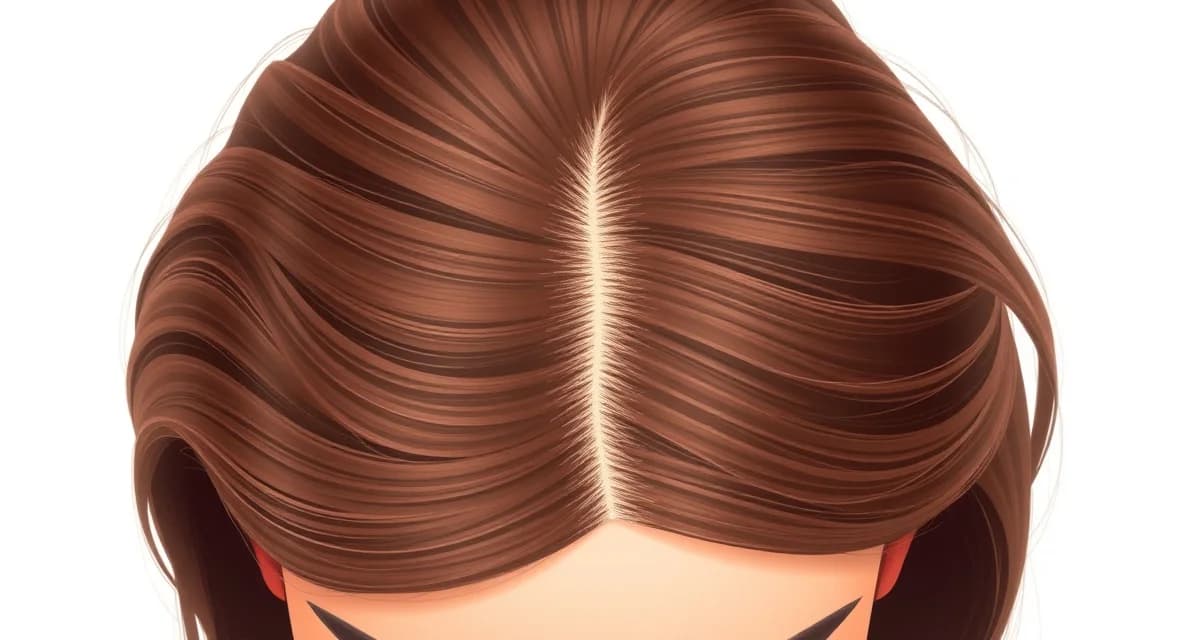
Women's hair loss follows different patterns than men's and has different causes. While men typically see recession and bald spots, women more often experience diffuse thinning across the top of the scalp while maintaining their frontal hairline. The Ludwig scale classifies female pattern hair loss into three grades of increasing severity.
Common Causes
Androgenetic alopecia: The most common cause, affecting up to 40% of women by age 50. It's driven by genetics and hormonal sensitivity, though women typically don't go completely bald because their follicles respond differently to androgens than men's.
Telogen effluvium: Temporary shedding triggered by stress, illness, surgery, crash dieting, or hormonal changes (postpartum, menopause, starting or stopping birth control). Hair typically recovers 3-6 months after the trigger resolves.
Thyroid disorders: Both hypothyroidism and hyperthyroidism can cause diffuse hair thinning. A simple blood test can rule this out.
Iron deficiency: Common in premenopausal women, especially those with heavy periods. Ferritin levels below 30-40 ng/mL have been associated with hair shedding.
Traction alopecia: Hair loss caused by chronic tension from tight hairstyles - braids, ponytails, extensions. Reversible if caught early, but prolonged traction can cause permanent follicle damage.
Treatment Options
Minoxidil 2% or 5%: The only FDA-approved topical treatment for female pattern hair loss. The 2% solution is specifically approved for women, though many dermatologists prescribe 5% off-label for better results. Applied once or twice daily.
Spironolactone: An anti-androgen medication prescribed off-label for female hair loss. Blocks androgen receptors at the follicle. Not safe during pregnancy. Typically prescribed at 100-200mg daily.
Supplements: Viviscal has the strongest clinical evidence among supplements for women, with multiple RCTs showing significant hair count increases. Iron supplementation helps when ferritin is low.
PRP therapy: Platelet-rich plasma injections show promise for women with early-stage thinning. Multiple studies include female participants with positive results.
LLLT devices: Laser caps and helmets are FDA-cleared for women and men. The Capillus and iRestore models include women in their clinical trials.
Hair Transplant Surgery for Women
Women can be excellent hair transplant candidates, but evaluation is different. Since women typically maintain their frontal hairline, the focus is usually on adding density to the midscalp and crown. The diffuse nature of female hair loss means the donor area needs careful evaluation to ensure the donor hair won't thin over time. A dermatologist should rule out all treatable underlying causes before surgery is considered.
When to See a Doctor
See a dermatologist if you notice a widening part, increased shedding lasting more than 3 months, visible scalp through your hair in normal lighting, or hair thinning after starting a new medication. Basic blood work (thyroid, ferritin, CBC, hormone panel) can identify treatable causes quickly.