
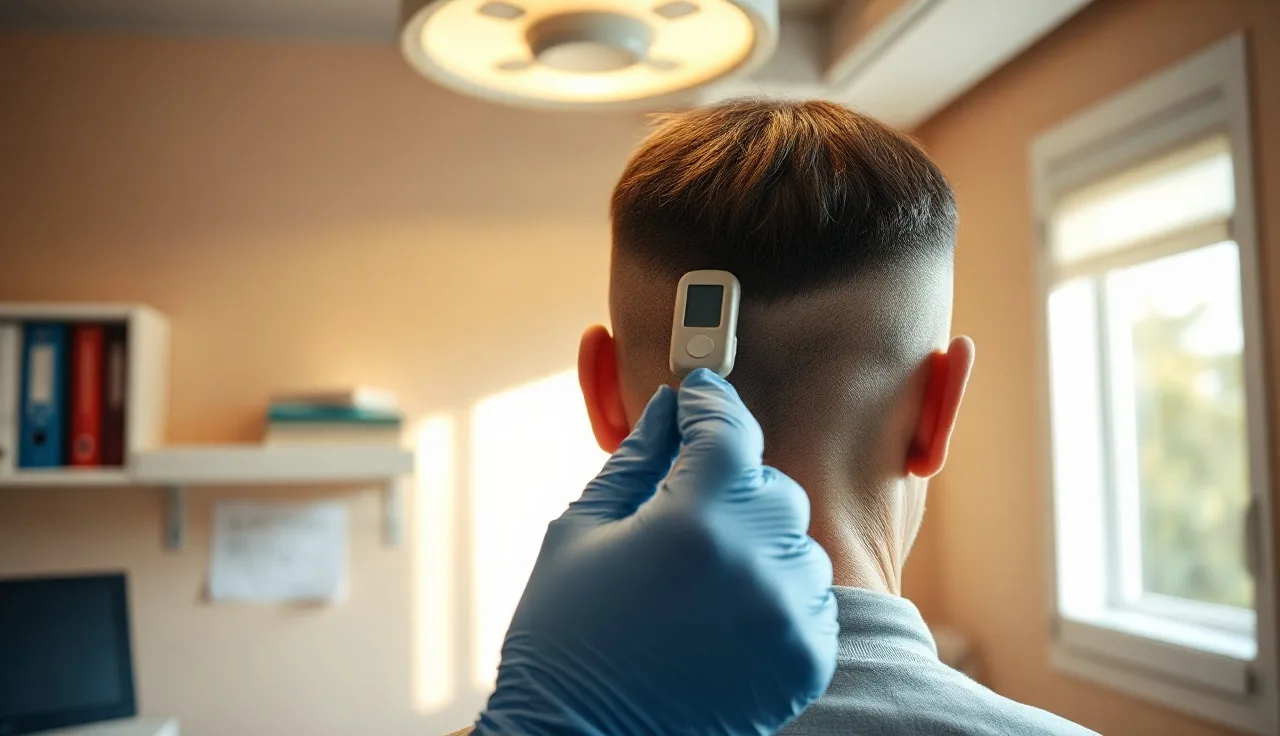
TL;DR: Hair transplants permanently move hair follicles from a donor zone to thinning areas. FUE and FUT are the two main surgical methods, costing $4,000 to $15,000 in the US. Results take 9 to 18 months to fully show. Most candidates also need medication (finasteride or minoxidil) to protect non-transplanted hair, or new loss will continue.
What is hair restoration and how does a hair transplant actually work?
Hair restoration covers any treatment that reverses or reduces hair loss, from over-the-counter minoxidil to major surgery. A hair transplant sits at the surgical end of that range. A physician removes follicular units (individual follicles or small groups of them) from a part of your scalp where hair resists balding, usually the back and sides, and implants them into areas where you have thinned or gone bald.
The science is simple. Follicles taken from the back of the scalp carry their own genetic programming. After transplant, they keep behaving like donor-site hair, not like the hair that fell out. This is called donor dominance, a principle first described in detail by Norman Orentreich in 1959 and still the foundation of every modern transplant technique [1].
A transplant does not create new hair. It redistributes what you already have. That distinction matters because the total volume of hair on your head stays the same. A skilled surgeon spreads that supply to look natural and cover the right areas, but a limited donor supply means limited coverage. There is no getting around the arithmetic.
If you are early in your loss and trying to understand what is happening to your scalp, the article on what causes hair loss is a good starting point before you consider any surgical option.
What are the different types of hair transplant procedures?
Two techniques dominate modern practice: Follicular Unit Transplantation (FUT) and Follicular Unit Extraction (FUE). They differ in how follicles are harvested, not how they are placed.
FUT, sometimes called the strip method, means removing a strip of scalp (usually from the back of the head), closing the wound with sutures, then dissecting the strip under microscopes into individual follicular units. The result is a linear scar at the donor site. FUT generally yields the highest graft counts per session, and many surgeons consider it the better choice when you need 3,000 or more grafts [2].
FUE punches out individual follicular units one at a time using a small circular tool, typically 0.8 mm to 1.0 mm in diameter. No strip, no linear scar, just thousands of tiny round scars that become nearly invisible in most patients. Recovery is faster and you can wear your hair very short without exposing the donor area. The trade-off: sessions take longer, cost more per graft, and very high graft counts may need multiple sessions or shaving the entire head [2].
Robotic FUE (the ARTAS system is the best known) uses imaging software and a robotic arm to select and extract follicles. It reduces surgeon fatigue and can improve consistency of extraction angles, but the underlying biology is identical to manual FUE. Studies comparing robotic and manual FUE have not shown a consistent difference in graft survival rates [3].
DHI (Direct Hair Implantation) is a variation of FUE where extracted grafts get loaded into a Choi implanter pen and placed without a pre-made channel. Proponents say it cuts the time grafts spend outside the body, which might improve survival. The evidence comparing DHI and conventional FUE is limited to small studies with inconsistent results.
| Method | Scar type | Best for | Sessions needed | Relative cost |
|---|---|---|---|---|
| FUT (strip) | Linear | High graft counts, long hair coverage | Usually 1 | Lower per graft |
| FUE (manual) | Scattered punctate | Short-hair styles, moderate counts | 1 to 2+ | Higher per graft |
| Robotic FUE | Scattered punctate | Same as FUE | 1 to 2+ | Highest |
| DHI | Scattered punctate | Moderate counts, density work | 1 to 2+ | High |
Who is a good candidate for a hair transplant?
Donor density is the factor that decides everything. If you don't have enough healthy hair at the back and sides, a surgeon has nothing to redistribute, and the result stays thin no matter the technique. A realistic donor area yields roughly 4,000 to 8,000 grafts over a lifetime, though the ceiling varies a lot by individual [2].
Stabilized loss matters too. If your loss is still moving fast, transplanting now means you may need another procedure in a few years as untreated hair keeps falling. Most surgeons want to see loss that has stayed relatively stable for at least a year, ideally longer, and most recommend or require concurrent medical therapy with finasteride or minoxidil to slow further loss. Read more about finasteride and how it fits into transplant planning.
Age is a real consideration. Operating on a 20-year-old with early loss is risky because nobody can predict how far the pattern will progress. A surgeon who draws your hairline aggressively at 22 may leave you looking odd at 45 when native hair behind the transplanted zone falls out. Most experienced surgeons prefer patients at least in their late 20s, or with a clear family history to model the final pattern.
Scarring alopecia (where inflammation destroys follicles) and alopecia areata (autoimmune follicle attack) are generally poor transplant candidates, because the underlying disease can kill transplanted follicles the same way it killed the native ones. Standard transplantation is built for androgenetic alopecia, the pattern baldness driven by genetics and DHT.
Women can be good candidates, particularly those with female-pattern loss that leaves a stable donor zone. The catch is that female-pattern loss often thins the entire scalp diffusely, which means the donor area itself may be affected. Careful donor assessment is the whole game here.
How much does a hair transplant cost in the US?
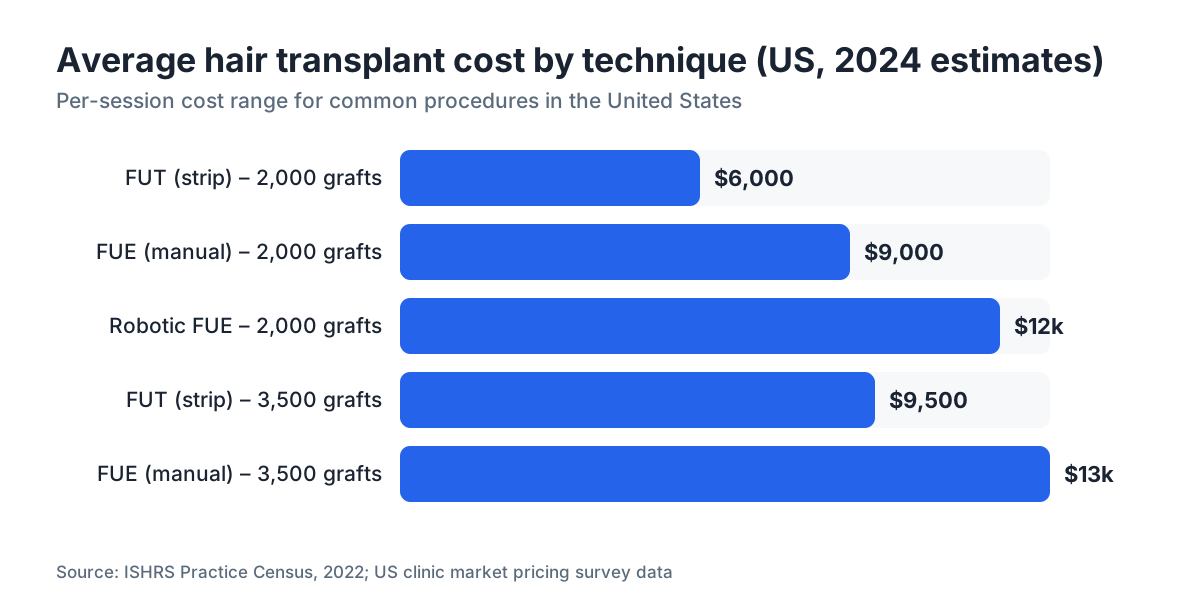
The honest range is $4,000 to $15,000 for a single session in the United States, with most moderate-sized FUE procedures landing between $6,000 and $10,000 [4]. High-demand clinics in major cities charge more.
Most US surgeons price by the session or by the graft. Per-graft pricing typically runs $3 to $8 depending on city, technique, and the surgeon's reputation. A procedure moving 2,000 grafts at $5 each comes to $10,000. Larger sessions at practices that price by the session often work out cheaper per graft.
Almost no health insurance covers hair transplants, because insurers treat them as cosmetic rather than medically necessary. FSA or HSA funds generally cannot be used either. The IRS states in Publication 502 that cosmetic surgery is not a deductible medical expense unless it corrects a deformity from disease, congenital abnormality, or injury [5]. Some clinics offer financing through third-party lenders, but compare interest rates carefully.
Going abroad can cut costs sharply. Turkey has become a popular destination with prices often running $1,500 to $4,000 all-in for large sessions, including accommodation packages. The quality range is enormous, from excellent clinics to ones that run technician-only procedures with minimal physician involvement. Verify board certification and review actual unretouched patient results before you book anything. The American Board of Hair Restoration Surgery maintains certification standards and a directory of qualified US practitioners [12].
Cost should not be the thing that decides this for you. Poorly executed transplants, especially ones with an unnatural hairline design or low graft survival, are expensive to repair and sometimes impossible to fix.
What is the recovery process and when will you see results?
The first few days after surgery you will have small crusts or scabs around each graft. Most surgeons advise gentle washing starting day 2 or 3, no direct sun on the scalp, and sleeping elevated to reduce swelling. Heavy exercise is usually off-limits for two weeks because raised blood pressure can dislodge grafts.
Shedding happens. Between weeks 2 and 6, most transplanted hairs fall out. This is normal and expected. The follicles are alive beneath the surface; they have just dropped into a resting (telogen) phase in response to surgical trauma. If you want the biology behind why hair cycles this way, the article on telogen effluvium explains it well.
Actual growth typically starts at 3 to 4 months. By month 6 you will see meaningful coverage, but the hair is usually still thin and slightly wiry. Full maturity, where the transplanted hair reaches its final thickness, curl, and density, takes 12 to 18 months for most patients [2].
Shock loss is a separate thing: native hair near the transplanted area temporarily sheds from the surgical trauma. It usually recovers by month 4 to 6, but it can be alarming if nobody warned you.
Most patients take one day off work for minor FUE and 3 to 5 days for FUT. The linear FUT scar needs suture removal at 10 to 14 days. Redness at the recipient site fades by 1 to 2 months for most people.
What are the real risks and complications of hair transplant surgery?
Serious complications are uncommon in experienced hands. But this is still surgery, and things can go wrong.
Infection shows up in a small percentage of cases. The scalp's good blood supply helps, but any breach of skin carries risk. Most clinics prescribe a short prophylactic antibiotic course. Signs of infection (increasing redness, warmth, pus, fever) mean you call your surgeon that day.
Poor graft survival is the complication with the biggest cost. Grafts can die if they dry out between extraction and placement, if the surgeon botches implantation angles, or if the patient ignores post-op care. Some loss (5 to 10%) is expected even in excellent procedures. Loss above 20 to 30% signals something went wrong.
Unnatural results are the most visible long-term risk. A hairline placed too low for someone whose pattern would keep receding, grafts angled so hair grows in odd directions, or a pluggy look from outdated multi-graft techniques. These are hard to fix.
Donor scarring ranges from a barely visible line (FUT in good hands) to stretched or thickened scars in patients prone to keloids. Anyone with a keloid history should tell their surgeon before proceeding.
Numbness or altered sensation at the donor or recipient site is common in the first few months. Permanent numbness is rare but possible.
The FDA has not approved any transplant technique as a drug or biologic. Some tools used in transplant, like the ARTAS robot, hold FDA 510(k) clearance as medical devices [6].
Should you combine a hair transplant with medication?
Almost always, yes. A transplant moves hair but does nothing to stop ongoing loss. Keep losing native hair after surgery and you end up with transplanted hair marooned among progressively thinner native hair, an island effect that looks worse over time.
Finasteride (1 mg/day oral) is the most evidence-backed option for slowing androgenetic loss in men. A 5-year randomized controlled trial published in the Journal of the American Academy of Dermatology found finasteride increased hair count by 277 hairs per square inch versus placebo at 2 years [7]. Many transplant surgeons require or strongly encourage finasteride before and after surgery. See the full breakdown in the finasteride guide, and the combined approach in finasteride and minoxidil.
Minoxidil (topical 2% or 5%, or oral low-dose) works through a different pathway, extending the growth phase of existing follicles. It is one of two medications the FDA has approved specifically for androgenetic alopecia [8]. More on how to use it in the minoxidil for men guide.
Running both medications after a transplant gives you the best odds of keeping the transplanted and native hair long-term. The exact protocol is a conversation for your surgeon, since dosing preferences vary.
Are there non-surgical hair restoration alternatives worth considering?
Before you commit to surgery, know what non-surgical options can and cannot do.
PRP (Platelet-Rich Plasma) injections mean drawing your blood, spinning it to concentrate growth factors, and injecting the concentrate into the scalp. The evidence is genuinely mixed. A 2019 systematic review in Dermatologic Surgery found positive outcomes in most trials but flagged poor study quality and a lack of standardization [9]. PRP is not FDA-approved for hair loss. It might help, it runs $600 to $2,000 per treatment, and results likely need repeat sessions.
Low-level laser therapy (LLLT) devices, including combs and caps, carry FDA clearance (not the same as approval) for marketing. The evidence for meaningful regrowth is weak. I would not spend real money here before trying proven medications.
Hair fibers, scalp micropigmentation, and hairpieces are appearance management, not restoration. Scalp micropigmentation in particular works well for men who want to manage the look of a shaved head with visible scalp, and it can camouflage FUT scars nicely. It does not restore hair.
For people worried about DHT-related loss and eyeing non-prescription options, the DHT blocker article covers what the research actually shows on supplements and topicals sold under that label.
How do you find a qualified hair transplant surgeon?
Board certification matters here, but it is complicated. Hair restoration is not a standalone specialty recognized by the American Board of Medical Specialties. Most surgeons doing transplants trained in dermatology or plastic surgery. The International Society of Hair Restoration Surgery (ISHRS) and the American Board of Hair Restoration Surgery offer certification pathways specific to transplantation, and both publish member directories [4][12].
Look for a surgeon who has done hundreds of cases, not dozens. Ask to see unretouched before-and-after photographs of patients whose loss patterns match yours, and ask how old those results are (ideally 18+ months post-op so you see the final state). Be skeptical of any clinic that cannot produce a substantial portfolio.
A good consultation includes a physical exam of your donor density, a realistic graft count estimate, a discussion of your long-term loss trajectory, and a clear recommendation about medical therapy. A surgeon who only tells you what you want to hear and pushes you to book fast is a warning sign.
Before your consultation, a free AI hair analysis at MyHairline (/scan) can give you a baseline picture of your pattern and Norwood stage, so you walk into the office already grounded in where you actually are.
Price gaps between surgeons usually reflect real differences in experience, graft quality control, and aftercare. The cheapest option in your city is rarely the best one for something that changes how your face looks permanently.
What does the research say about hair transplant success rates?
Graft survival in competent FUE and FUT procedures runs 90 to 95% in controlled studies, though some real-world figures come in lower depending on how grafts are handled [2]. Transplant 2,000 grafts and roughly 1,800 to 1,900 should survive and produce hair.
Patient satisfaction is harder to pin down, because it hangs so much on expectation management. A 2022 review in the Journal of Cutaneous and Aesthetic Surgery found satisfaction rates in the 70 to 95% range across studies, with the highest satisfaction in patients who had realistic expectations and used concurrent medical therapy [10].
The ISHRS runs periodic practice surveys. Its 2022 census reported roughly 703,183 hair restoration procedures worldwide in 2021, down slightly from 735,312 in 2019 with a COVID dip in 2020, a sign of sustained global demand [4].
Durability is the strongest argument for transplants. A well-placed graft from a DHT-resistant donor zone should last a lifetime, because the follicle keeps its genetic programming. The qualifier: surrounding native hair keeps thinning if untreated, which is exactly why the medication combination carries the cosmetic result over decades.
What should you know about hairline design and realistic expectations?
The hairline is where a transplant either looks natural or does not, and it is the one decision that shapes your appearance for the rest of your life. A well-designed hairline is slightly irregular, never a straight line. It has a slightly lower central peak with gradual recession at the temples, mimicking the natural drop in density as hair meets forehead skin.
The most common long-term mistake is placing the hairline too low. At 25, a hairline set right at the forehead-scalp junction can look great. At 50, once the areas behind it have kept thinning, you end up with a band of transplanted hair sitting in an odd spot. Experienced surgeons plan for the face you will have at 50, not the one in the mirror now.
Density expectations need calibrating too. Normal scalp carries roughly 80 to 100 follicular units per square centimeter. A transplant rarely hits more than 30 to 40 units per square centimeter in one session, and multiple sessions can push that to 50 to 60 in small areas. That is enough to look natural in most lighting, but it will not recreate the density you had at 18.
Photographs and mirror checks under strong overhead lighting expose the transplant more than diffuse or side lighting does. Knowing that going in saves a lot of post-op anxiety.
If you are still in the receding stage rather than full balding, the article on receding hairline covers what the progression looks like and when intervention starts making sense.
Can women get hair transplants and do they work?
Yes, and they can work well, but female candidacy needs more careful evaluation than male candidacy does.
The core issue: female-pattern hair loss (FPHL) usually thins the entire top of the scalp diffusely, including the donor zone at the back and sides. If the donor zone is also thinning, grafts taken from there may not hold up long-term. A thorough assessment by a dermatologist or trichologist before surgery is essential for women.
Women with stable loss patterns, high donor density, and well-defined thinning zones can be excellent candidates, with results comparable to men. Hairline lowering (bringing down a naturally high hairline) is also a popular application in women without pattern loss, and it tends to have very high satisfaction because the donor hair is fully stable.
Female candidates should generally not take finasteride, which is contraindicated in women of childbearing potential because of teratogenicity [7]. Minoxidil is the standard medical adjunct for women. There is also growing interest in low-dose oral minoxidil for women; the oral minoxidil article covers what the evidence shows.
A realistic conversation about FPHL progression, hormonal factors (thyroid, iron, androgen levels), and donor assessment matters more for women than for men. Some women turn out to need a medical workup more than they need surgery.
Sources
- Orentreich N, Annals of the New York Academy of Sciences (1959), donor dominance principle
- International Society of Hair Restoration Surgery (ISHRS), FUE and FUT technique overview
- American Academy of Dermatology, hair transplant procedure guidance
- International Society of Hair Restoration Surgery, 2022 Practice Census
- IRS Publication 502, Medical and Dental Expenses
- U.S. FDA, medical device 510(k) clearance database
- Kaufman KD et al., Journal of the American Academy of Dermatology (1998), finasteride 5-year RCT
- U.S. FDA, drugs information
- Journal of Cutaneous and Aesthetic Surgery (2022), patient satisfaction review
- American Academy of Dermatology, hair loss overview and treatment guidance
- American Board of Hair Restoration Surgery, surgeon certification standards