
TL;DR: Hair transplant surgery is generally safe, but side effects are common and expected. Nearly all patients get temporary swelling, crusting, and itching. Around 5 to 10% experience shock loss, where existing hair sheds before regrowing. Infection and permanent scarring are rare. Knowing what's normal versus what needs a doctor call makes recovery much less stressful.
What side effects should you expect after a hair transplant?
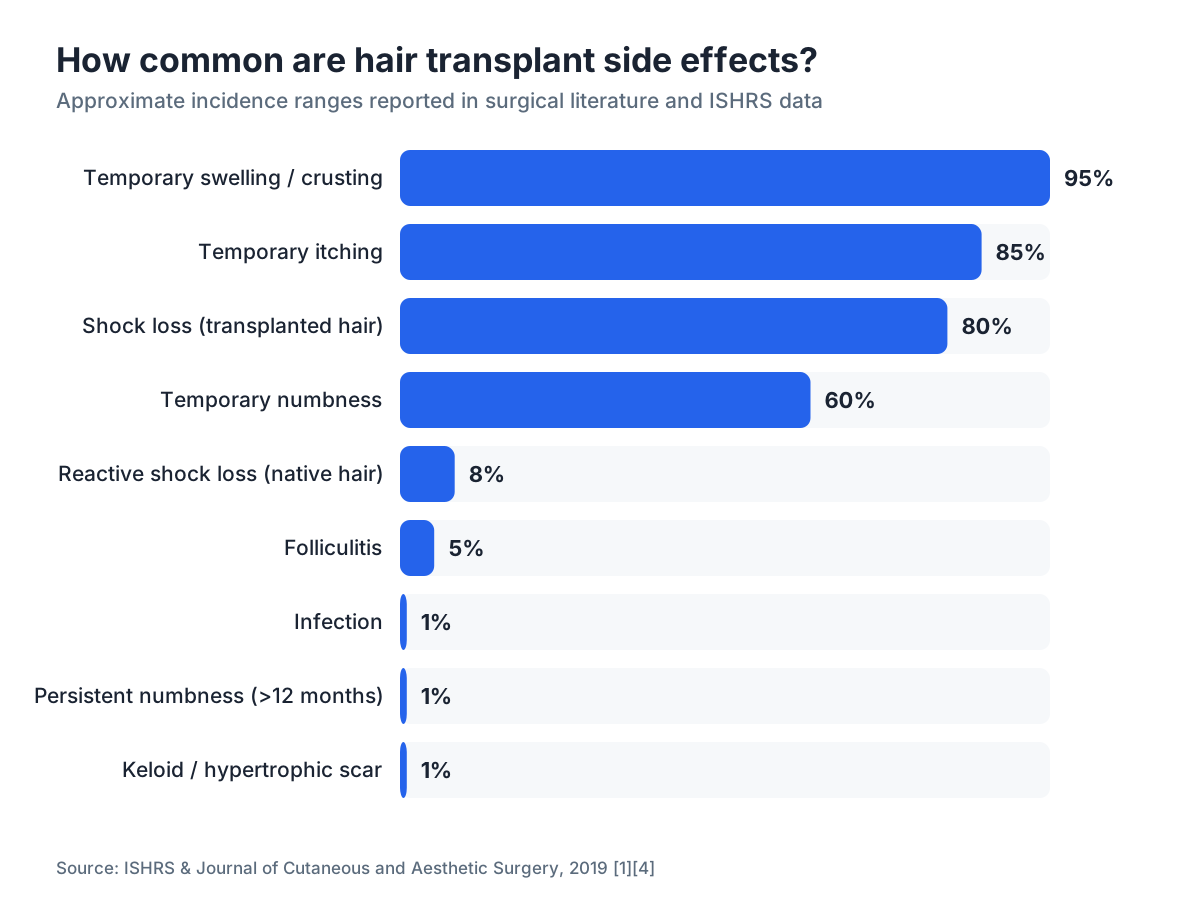
Almost every patient walks out of the clinic with some swelling, redness, and crusting. These aren't surprises or signs something went wrong. They're the predictable aftermath of a procedure that moves thousands of individual follicular units from one part of your scalp to another.
The side effects split cleanly into two groups: the expected ones that resolve on their own within days to a few weeks, and the uncommon ones that need attention. Most people only ever deal with the first group.
Expected, temporary side effects include swelling of the scalp and forehead (often the most alarming-looking), crusting around the graft sites, itching, tightness, numbness, and temporary shedding of transplanted and surrounding hair. These are part of normal wound healing.
Uncommon but real complications include infection, folliculitis (inflamed hair follicles), keloid or hypertrophic scarring, persistent numbness, ingrown hairs, and poor graft survival leading to patchy results. Telling a temporary nuisance from a complication worth treating early matters a lot for your outcome [1].
How common is swelling after a hair transplant, and how long does it last?
Swelling is the most universal side effect. The surgeon injects tumescent fluid (a saline-lidocaine-epinephrine mix) into the scalp to make extraction and implantation easier. That fluid, combined with normal post-surgical inflammation, causes puffiness that usually peaks around day 2 or 3.
For most patients the swelling stays on the scalp. For a meaningful number, gravity pulls it into the forehead and around the eyes by days 3 to 5. It looks dramatic. It isn't dangerous. It clears completely in the vast majority of patients by day 7 [2].
Surgeons routinely give a short methylprednisolone (steroid) taper starting the day of surgery to reduce swelling. Sleeping with your head elevated at roughly 45 degrees for the first few nights, and avoiding bending over or heavy lifting, also keeps the fluid from migrating toward your face. Cold compresses on the forehead (not on the grafts) take the edge off discomfort.
If swelling is still significant after day 10, or if one side is dramatically worse than the other, call your surgeon. That pattern can signal early infection.
What is shock loss after a hair transplant?
Shock loss, also called effluvium, is the temporary shedding of hair in and around the transplant zone triggered by the trauma of surgery. It's one of the most anxiety-inducing parts of recovery, because patients watch hair fall out weeks after paying a large sum to have more of it.
The mechanism is the same as stress-induced telogen effluvium: surgical trauma pushes resting and growing follicles prematurely into the shedding (telogen) phase. Transplanted grafts go through this too, which is why the hairs attached to new grafts typically fall out within 2 to 6 weeks after surgery. The follicle stays. The shaft sheds. New growth starts from scratch [10].
Shock loss in native (non-transplanted) hair nearby is called reactive effluvium. It affects somewhere between 5% and 10% of patients by most surgeons' estimates, though high-quality population-level data is thin. It's more common in patients who were already on the edge of miniaturization in those zones.
Here's the reassuring part: shock loss is almost always temporary. Regrowth typically starts within 3 to 4 months. Judging final density before that point is premature. If you were on finasteride or minoxidil before surgery, staying on them cuts the risk of reactive effluvium in surrounding hair [3].
Can a hair transplant leave scars?
Yes. Every hair transplant leaves some form of scarring. The question is what kind and how visible.
FUT (Follicular Unit Transplantation, also called the strip method) removes a horizontal strip of scalp from the back of the head. This leaves a single linear scar, typically 1 to 2 cm wide, running across the back of the scalp. With a good surgeon and good closure technique (trichophytic closure, where the edge of the wound is beveled so hair grows through the scar), the scar can be nearly invisible under normal hair length. If you keep the back of your head closely shaved, it will show.
FUE (Follicular Unit Extraction) punches out individual follicles with a circular tool 0.8 to 1.0 mm in diameter. This leaves hundreds to thousands of tiny circular scars scattered across the donor area. Each one is small. Together they create a diffuse, stippled look if the donor zone is shaved. At normal hair lengths they're invisible.
Hypertrophic scarring (raised, thick scars) and keloid formation are uncommon but documented complications. Patients with a personal or family history of keloids should raise this seriously with their surgeon before booking. The scalp isn't a high-risk site for keloids compared to the chest or shoulders, but it isn't zero-risk either [4].
The recipient area (where grafts are placed) rarely scars visibly because the punctures are small. Poor graft survival, though, can leave pitting or an unnatural look if density is too low.
How likely is infection after hair transplant surgery?
Infection is rare. The scalp has an excellent blood supply, which makes it naturally resistant to infection. Published infection rates in modern hair transplant clinics are generally below 1% [1].
That said, infection does happen, and when it does, early recognition matters. Watch for these signs in the first two weeks: increasing redness (rather than fading redness), warmth, pus or cloudy discharge from graft sites, fever above 38°C (100.4°F), and pain that gets worse rather than better after the first few days.
Most surgeons prescribe a short prophylactic antibiotic course (typically cephalexin or amoxicillin-clavulanate for 5 to 7 days) to lower the baseline risk. Keeping the scalp clean per the clinic's washing protocol matters too. Patients who pick at crusts, sweat heavily in the first week, or expose the scalp to dirty environments (gym locker rooms, swimming pools) raise their risk.
Folliculitis, which is inflammation of individual follicles that can look like pimples or pustules, is more common than true infection. It often shows up 2 to 4 weeks post-op and responds to topical antibiotics or, if it lingers, a short oral course. It rarely affects graft survival if caught early.
Will a hair transplant cause permanent numbness or loss of sensation?
Temporary numbness in the scalp is almost universal. The nerve branches feeding sensation to the top of the head get stretched and irritated during both extraction and implantation. Most patients describe a numb, tight, or slightly strange-feeling scalp for weeks to months after surgery.
Permanent numbness is rare. The scalp's sensory nerves are small-caliber cutaneous branches rather than motor nerves, so the risk of cutting a major nerve is low. A 2019 review in the Journal of Cutaneous and Aesthetic Surgery reported persistent sensory disturbance in less than 1% of FUE cases [4].
FUT carries a slightly higher risk of ongoing numbness directly along the linear scar, because strip removal cuts more nerve branches in that zone. For most patients this fades over 6 to 18 months as nerves regenerate.
If numbness comes with significant pain, burning, or hypersensitivity (allodynia), mention it to your surgeon. Nerve pain, though uncommon, is treatable.
What does graft failure or poor hair growth look like?
Not every transplanted follicle survives. Graft survival rates in experienced hands typically fall between 85% and 95% [5]. Below that range, the density result comes out thinner than planned.
Partial graft failure can look like patchy regrowth, lower-than-expected density, or pitting (small depressions) where follicles didn't survive. Total graft failure is uncommon but devastating, and usually traces to a specific technical error: grafts dried out during surgery, blood supply to the recipient area was compromised, or infection wiped out a section.
The most common reason for disappointing results isn't a catastrophic failure. It's a mismatch between what the patient expected and what's actually achievable given their donor density and the extent of their hair loss. Someone at Norwood stage 6 with low donor density cannot realistically get the full coverage they had at Norwood 2. A good surgeon says so upfront.
If you're unhappy with density at 12 months post-op (the realistic point to assess final results), your options include a second procedure to add grafts, or adding finasteride and minoxidil for men to support the remaining native hair. Rushing to judgment at 6 months, when many grafts are still catching up, is a common mistake.
Are side effects different for FUE vs FUT hair transplants?
Yes, and the differences matter enough to factor into your decision.
| Side effect | FUT (strip) | FUE |
|---|---|---|
| Linear scar | Always (1 scar, concealable) | No |
| Diffuse donor scarring | No | Yes (tiny punches, diffuse) |
| Post-op pain | Generally more | Generally less |
| Recovery time | 10-14 days | 7-10 days |
| Numbness at donor site | More common | Less common |
| Staple/suture removal | Required (~10-14 days) | Not required |
| Grafts per session | Can be higher | Slightly lower per session |
FUE has a faster recovery and no linear scar, which is why it's become the dominant technique. But FUE does leave diffuse scalp scarring across the donor zone. If you ever plan to shave your head completely, both methods will show evidence of work, just in different patterns.
For patients who want maximum grafts in a single session, or who have limited donor density that calls for careful harvesting, FUT can still be the right call. A skilled surgeon who does both will tell you honestly which fits your anatomy and goals [6].
What side effects are specific to the donor area?
The donor area (typically the back and sides of the scalp) takes more visible trauma than people expect. Redness, crusting, and mild swelling appear there just as they do in the recipient zone. But a few donor-specific issues are worth knowing.
Over-harvesting is a real risk with FUE. If too many follicles get extracted from a limited area, the donor zone can look permanently thin or moth-eaten, a complication called donor depletion. Experienced surgeons map out donor density before surgery and stay within safe extraction ratios (typically no more than 40 to 50% of follicles from any given zone) to avoid it. Patients who push surgeons for maximum graft counts in a single sitting, or who chase multiple procedures at aggressive clinics, are most at risk [11].
With FUT, wound dehiscence (the linear incision partly re-opening) can happen, usually from tension if too large a strip was taken or the patient went back to strenuous activity too soon. It usually heals on its own but may widen the scar.
Itching at the donor site often outlasts itching at the recipient area. Follicles healing from punch extraction or a linear incision stimulate nerve endings. This is normal and resolves, but scratching can disrupt healing or introduce bacteria.
How long do side effects last and what does the recovery timeline actually look like?
Recovery from a hair transplant isn't a single event. It's a staged process that runs, realistically, for a full year.
Days 1 to 4: Swelling peaks. Scalp is red and tender. Crusts begin forming around each graft. Most patients stay home. Sleep elevated, don't touch the grafts, keep water gentle and indirect.
Days 5 to 10: Swelling clears. Crusts start falling off on their own. Itching increases. Most people look presentable enough to return to office work. Still no gym, swimming, or direct sun.
Weeks 2 to 6: The transplanted hair shafts shed. This is shock loss and it's normal. The scalp looks thin, sometimes thinner than before surgery. This is the hardest psychological stretch of recovery.
Months 1 to 4: The follicles are dormant. Patience is mandatory. Numbness starts to fade. Some patients see early stubble by month 3.
Months 4 to 8: Visible growth begins. Texture is often wiry or curly at first and softens over time. Density keeps building.
Months 9 to 12: Most of the final growth is in. Surgeons generally treat 12 months as the benchmark for assessing results, though some slower-growing patients take up to 18 months for full density [7].
If you're weighing a transplant as your first step versus starting with medication, reading up on finasteride and minoxidil together is a reasonable place to begin, especially if your loss is still early.
What are the most serious complications that can happen?
Serious complications are rare in accredited settings with experienced surgeons. But rare doesn't mean impossible, and anyone spending four to fifteen thousand dollars on a procedure deserves an honest accounting.
Necrosis of the scalp, where tissue dies from insufficient blood supply, appears in the medical literature though it's genuinely uncommon. It can occur if too many grafts are packed too densely and disrupt local blood supply, or if a patient has vascular risk factors nobody flagged before surgery. It typically presents as dark, hardened skin that doesn't heal normally and needs specialist wound care.
Anesthetic toxicity from lidocaine overdose is a theoretical risk in very large sessions. Reputable clinics calculate doses by body weight and stay well within safe limits. The FDA label for lidocaine with epinephrine caps the maximum dose at 7 mg/kg body weight [8].
Allergic reactions to anesthetic agents, antibiotics, or surgical prep solutions can happen. Most clinics take an allergy history, but proactively mention any known drug sensitivities.
Ethics and competence, especially at medical tourism clinics selling very low prices, are arguably the biggest real-world risk for most patients. Unlicensed technicians doing graft extraction (common at some overseas clinics), inadequate sterile technique, and procedures no surgeon supervises have produced documented harm: widespread infection, permanent scarring, and complete graft failure. The American Academy of Dermatology and the International Society of Hair Restoration Surgery both run physician-finder tools worth using before you book [9].
Should you keep taking finasteride or minoxidil to protect a hair transplant?
This is one of the most practically important questions after a transplant, and the answer is almost always yes: continue or start them.
A hair transplant moves donor-area follicles, which are genetically resistant to DHT (the hormone behind androgenetic alopecia), into the recipient area. Those transplanted follicles should keep that resistance. But the native hair around them, and behind them as your hairline matures over the years, keeps thinning unless the underlying cause gets addressed.
Without ongoing treatment, many patients hit a full-looking result at year 1 and watch it turn increasingly unnatural by year 5 as surrounding native hair miniaturizes. Finasteride cuts DHT production by about 70% and is the most evidence-backed option for slowing continued androgenetic alopecia in men [3]. Minoxidil for men extends the growth phase of follicles and can help both transplanted and native hair.
Starting finasteride at least a few months before surgery, if you haven't already, also lowers the risk of shock loss in native hair. Ask your surgeon about timing if you're not currently on it.
Not sure you're a candidate for surgery, or whether your current loss pattern warrants a transplant at all? A detailed picture-based assessment can clarify your Norwood stage and options. MyHairline's free AI scan at myhairline.ai/scan gives you a baseline read of your loss pattern before your clinic consultation.
How do you reduce side effects and protect your grafts during recovery?
The first 72 hours are the most important for graft survival. The follicles haven't yet built a blood supply in their new location. Anything that physically displaces them or cuts blood flow to the scalp raises the risk of losing grafts.
Don't touch the recipient area for the first 3 days. Sleep with your head elevated. Avoid alcohol (it promotes swelling and slows healing). Don't smoke. Nicotine causes vasoconstriction and is one of the few documented modifiable factors that meaningfully worsens graft survival [1].
After the first week, gentle washing using your clinic's prescribed technique (usually a diluted saline or baby shampoo poured slowly rather than rubbed) is fine and actually helps prevent folliculitis by keeping crusts from building up into a bacterial breeding ground.
Avoid direct sun on the scalp for at least a month. UV exposure to healing tissue slows wound resolution and can worsen any post-inflammatory hyperpigmentation. A loose hat or SPF is fine once the grafts are secure (usually after day 10).
Hold off on the gym for at least 2 weeks, ideally 4 for heavy lifting. Higher blood pressure from exertion can cause minor bleeding around grafts and promotes swelling. Swimming in pools or the ocean should wait at least 4 weeks because of infection risk.
Thinking about adding oral minoxidil to your regimen after surgery? Discuss timing with your surgeon. Many prefer to wait 4 to 6 weeks before introducing new systemic agents while the scalp is healing.
Sources
- International Society of Hair Restoration Surgery (ISHRS)
- American Academy of Dermatology (AAD), Hair Loss information
- DailyMed (NLM), Finasteride (Propecia) prescribing information
- Journal of Cutaneous and Aesthetic Surgery, 2019 review on FUE complications (PMC)
- Dermatologic Surgery, Follicular Unit Transplantation graft survival analysis (PubMed)
- American Academy of Dermatology (AAD), Hair Loss information
- International Society of Hair Restoration Surgery (ISHRS)
- DailyMed (NLM), Lidocaine with epinephrine prescribing information
- American Academy of Dermatology (AAD)
- StatPearls (NLM), Telogen Effluvium
- StatPearls (NLM), Hair Transplantation