
TL;DR: Plain whey or plant protein shakes do not cause hair loss on their own. The real risks come from additives, extreme calorie restriction paired with high protein intake, or existing pattern baldness being accelerated by hormonal ingredients like creatine. Most protein-related shedding is temporary telogen effluvium that reverses once the trigger is gone.
Do protein shakes actually cause hair loss?
Usually no. But the details decide everything, so read on.
Hair follicles are among the most metabolically active structures in your body. They need a steady supply of amino acids, particularly cysteine, methionine, and lysine, to make keratin. Protein deficiency is a documented cause of hair shedding [1]. So in theory, more protein should help, not hurt.
The problem is that "protein shake" is not one thing. A plain whey isolate with nothing else added is a different animal from a pre-workout blend packed with creatine, DHT-related compounds, artificial sweeteners, and herbal testosterone boosters. Studies that find a link between protein supplements and hair loss are almost always pointing at those additives, not the protein [2].
Then there is context. A man with androgenic alopecia (the most common inherited form of hair loss) whose follicles are already sensitive to dihydrotestosterone carries a different risk than someone with thick hair and no family history. Figuring out which one you are is the first thing to do before you blame the shake.
What ingredients in protein supplements can trigger hair shedding?
A handful of additives carry real mechanistic risk. Creatine and androgenic herbs raise DHT or androgens, which matters if you are genetically prone to pattern baldness. Heavy metal contamination in poorly tested products is a documented cause of diffuse shedding. The protein itself is almost never the culprit.
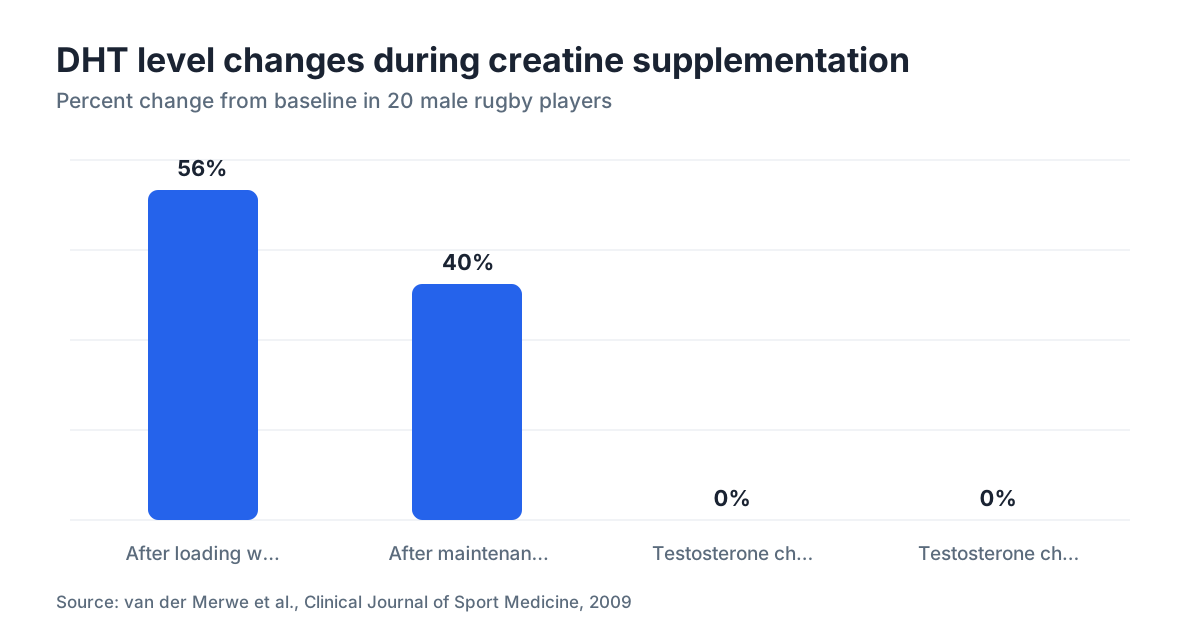
Creatine. A 2009 trial in the Clinical Journal of Sport Medicine followed 20 college rugby players and found creatine loading raised DHT by 56% above baseline after one week, with DHT staying 40% above baseline through the maintenance phase [2]. DHT is the androgen most tied to follicle miniaturization in pattern baldness. Whether that spike causes visible loss in someone predisposed is still debated, but the mechanism holds up. Many protein powders slip creatine into the blend, so read the label. Our article on does creatine cause hair loss goes deeper on the evidence.
Anabolic herb extracts. DHEA, tribulus terrestris, and generic "testosterone booster" blends show up in mass gainers and sports powders. They raise androgen levels through different pathways and carry the same theoretical risk for follicle miniaturization in genetically susceptible people [3].
Extreme amino acid ratios. Very high leucine intake without enough of the other amino acids has been floated as a trigger for temporary shedding, though human data is thin. Animal studies show imbalanced amino acid profiles can disrupt the hair cycle. Nobody has run a controlled human trial on this exact question.
Artificial sweeteners and gut changes. Some people report scalp changes after switching to heavily sweetened products. The proposed mechanism involves gut microbiome disruption affecting absorption of biotin, zinc, and iron. Interesting on paper, unproven in hair-specific studies.
Heavy metal contamination. A 2018 Clean Label Project analysis of protein powders found elevated lead, arsenic, cadmium, and mercury in several products [4]. Chronic heavy metal exposure is a recognized cause of diffuse hair loss. This is not a reason to panic. It is a reason to buy third-party-tested powder.
How does protein deficiency cause hair loss, and how much do you need?
The hair cycle runs in three phases: anagen (active growth), catagen (transition), and telogen (rest and shedding). Nutritional stress, including low protein, pushes follicles into telogen early. The result is telogen effluvium, diffuse shedding that usually starts 2 to 4 months after the insult and lasts several months [5].
The US Recommended Dietary Allowance for protein is 0.8 grams per kilogram of body weight per day for adults [6]. For a 180-pound (82 kg) person, that is about 65 grams a day. Most active people clear that easily. Crash diets, very low-calorie plans, and poorly planned elimination diets (especially ones cutting all animal products) can push someone below the line, particularly alongside hard training that raises demand.
Here is the irony. Someone who starts a high-protein diet while slashing calories can still get telogen effluvium, not from the protein but from the energy deficit. Follicles respond to overall energy availability more than to macronutrient ratios.
If you are worried about shedding, a serum ferritin test and a full metabolic panel tell you far more than guessing about protein grams. Low ferritin (below 30 ng/mL in many dermatology guidelines) is one of the most common reversible causes of diffuse hair loss in women [10].
Our overview of what causes hair loss covers how nutritional and other triggers drive shedding.
Can whey protein specifically make hair loss worse?
On its own, no. Whey comes from milk and is a complete protein with every essential amino acid. There is no published randomized controlled trial showing plain whey causes or speeds hair loss in humans [7].
The worry about whey runs through an indirect route. Whey is highly insulinogenic, meaning it drives a sharp insulin spike even without carbs. Insulin bumps IGF-1, which can raise androgen production and activity. Some researchers argue this is why dairy-heavy diets correlate (weakly) with acne, and by extension with androgenic hair changes. The data is associational, not causal, and the effect sizes are small.
For someone without a genetic predisposition to androgenic alopecia, this pathway barely registers. For someone already watching a receding hairline or temple thinning, it is worth knowing about, even if it does not mean ditching whey entirely. If your hairline is the concern, our piece on receding hairline patterns helps you read what you are actually seeing.
Plant-based powders (pea, rice, hemp) do not trigger the same insulin response, which is why they get recommended as an alternative. Whether that practical difference matters for your hair is unknown.
What is telogen effluvium and is protein-related shedding reversible?
Telogen effluvium is the medical name for diffuse, non-scarring shedding set off by a systemic shock, physical or emotional, that throws off the hair cycle [5]. It is the most common non-inherited hair loss, and it almost always reverses once the trigger is gone.
Protein-related telogen effluvium follows a clock. The trigger hits, follicles shift to telogen, and 6 to 16 weeks later you start finding more hair in the shower. Shedding runs 3 to 6 months. Once the body settles, regrowth kicks in, though it can take another 6 to 12 months to see density come back. Trigger to full recovery is often 12 to 18 months [5].
The features that separate telogen effluvium from pattern baldness are clear. Shedding spreads diffusely across the scalp rather than concentrating at temples or crown. A gentle "pull test" during active shedding (tugging 40 to 60 hairs and getting 6 or more in the telogen phase) comes back positive. And the timeline links onset to a specific event 2 to 4 months earlier.
Started shedding after a dramatic diet change or a new supplement? Telogen effluvium is likely, and the outlook is good. Concentrated at the temples and crown, worsening slowly, with a family history behind it? Different conversation. Our full breakdown of hair loss telogen effluvium has more on diagnosis and timelines.
Does the type of protein powder matter for hair health?
Yes, and the gap is real. A plain, third-party-tested isolate carries almost no hair risk. A mass gainer stuffed with creatine and "test boosters" carries the most. Here is how common protein sources compare on the traits that matter for hair:
| Protein source | Complete amino acids? | Androgenic additive risk | IGF-1 / insulin response | Heavy metal risk (raw product) |
|---|---|---|---|---|
| Whey isolate (plain) | Yes | Low (if no additives) | High | Low-moderate |
| Casein (plain) | Yes | Low | Moderate | Low-moderate |
| Pea protein | No (low methionine) | Low | Low | Low |
| Rice protein | No (low lysine) | Low | Low | Moderate (arsenic) |
| Hemp protein | Partial | Low | Low | Low |
| Mass gainer blends | Varies | High (often contain creatine, DHT precursors) | Very high | Moderate-high |
| Pre-workout / protein blends | Varies | High | Varies | Moderate-high |
The safest pick from a hair standpoint is a plain, third-party-tested powder (NSF Certified for Sport or Informed Sport) with a short ingredient list. No creatine, no herbal test boosters, no proprietary blends hiding unnamed ingredients.
Pea protein gets named as the plant option, but it is low in methionine, a sulfur-containing amino acid your follicles need for keratin. Leaning on it alone without dietary variety could, in theory, create an amino acid imbalance. Blending pea and rice protein covers the full essential amino acid profile.
For a wider look at which supplements have actual evidence for hair, see hair loss supplements.
Who is most at risk for protein-supplement-related hair loss?
Risk is lopsided. Four groups carry most of it, and everyone else can relax.
Men with androgenic alopecia or a family history. If your father or maternal grandfather went bald, your follicles run high on androgen sensitivity. Any supplement that raises DHT or androgens, even a little, can speed miniaturization that was already underway.
Women with polycystic ovary syndrome (PCOS). PCOS comes with baseline androgen excess. Products with androgenic additives are more likely to push follicle sensitivity past a threshold in this group [3].
People on very low-calorie diets using shakes as meal replacements. If the shake is your main meal and the rest of your diet is severely restricted, total micronutrient intake can fall short even with adequate protein grams. Iron, zinc, and B vitamins run low first.
People using powders that failed third-party testing. The 2018 Clean Label Project investigation reported that many of the 134 protein products tested exceeded threshold levels for at least one heavy metal at a serving pattern of three per day [4]. Downing multiple daily servings of unverified product builds a real contamination risk over time.
People without androgenic alopecia who eat a varied diet are very unlikely to see hair changes from a clean protein supplement. The risk sits almost entirely in the groups above.
What does the research actually say? A summary of the evidence
Let's be honest about what the data shows and what it does not.
No large randomized controlled trial has tested protein shake consumption against hair loss outcomes in humans. The evidence base is smaller mechanistic studies, case reports, epidemiological associations, and trials on related endpoints (androgen levels, nutrient status) that let you infer indirectly.
The strongest direct signal involves creatine and DHT. The 2009 rugby study by van der Merwe and colleagues in the Clinical Journal of Sport Medicine is the most-cited reference, and its 56% DHT increase during creatine loading is real, though the sample was 20 men and no hair outcome was measured [2]. That gap between "DHT went up" and "hair fell out" matters.
For protein deficiency causing shedding, the evidence is solid. Kwashiorkor (severe protein deficiency) produces dramatic hair changes, and less extreme protein-calorie malnutrition is tied to telogen effluvium in the dermatology literature [1].
For anabolic supplements accelerating pattern baldness, there are enough case reports and plausible mechanisms that dermatology guidance names them as a risk. The American Academy of Dermatology does not list plain protein powder as a cause of hair loss, but it does flag androgenic supplements as a drug-and-supplement category that can trigger or worsen it [7].
The honest summary reads like this. Plain protein: good evidence for benefit (it prevents deficiency shedding). Creatine and androgenic additives: plausible mechanistic risk, limited direct human evidence. Contaminated products: documented risk from heavy metals. Anyone selling you certainty in either direction is overstating what we know.
How can you tell if your protein shake is causing your hair to fall out?
The diagnostic path is simpler than most people fear. Nail down the timeline, read the shedding pattern, run a temporary elimination, get bloodwork, and see a dermatologist if it drags on. Here is how each step works.
First, establish a timeline. Diffuse shedding that started 6 to 16 weeks after a new supplement or a big diet change fits telogen effluvium from a nutritional trigger. Write down the dates.
Second, read the pattern. Supplement-driven telogen effluvium is diffuse: all over the scalp, heavier in the shower and brush, sometimes a wider part line. Loss concentrated at the temples and crown points to androgenic alopecia instead, and that calls for a dermatologist.
Third, run a temporary elimination. Switch to a plain, third-party-certified powder with no additives for 90 days and watch. This is imperfect, since telogen effluvium can linger for months after the trigger is gone, but it is informative.
Fourth, get bloodwork. Ask your doctor for ferritin, TSH, a CBC, and a basic metabolic panel. Thyroid problems and iron deficiency cause diffuse shedding far more often than protein supplements do, and both are treatable.
If you want an objective starting point, the free AI hair scan at MyHairline helps you document your current pattern and track changes over time, which is useful when you are trying to link shedding to a specific change.
Fifth, see a board-certified dermatologist if shedding is heavy, runs past six months, or comes with scalp burning or itching. Those symptoms point to diagnoses that need a clinical exam, not a supplement swap.
What actually treats hair loss if supplements are not the fix?
If your shedding is genuinely telogen effluvium from a nutritional cause, the treatment is fixing the cause. No topical or oral drug shortens telogen effluvium. Adequate nutrition, removing the trigger, and patience are the whole plan.
If you have androgenic alopecia, which is genetic pattern baldness, the evidence-based options are settled. Minoxidil (topical) is FDA-approved and works for men and women; it usually takes 4 to 6 months to show results and has to be continued indefinitely [8]. Low-dose oral minoxidil (0.625 to 2.5 mg for women, 2.5 to 5 mg for men) has growing evidence and gets used off-label when the topical is not tolerated. Finasteride is FDA-approved for men and works by blocking DHT; pairing it with minoxidil has better evidence than either drug alone [9]. Hair transplant surgery is an option for people with stable loss who want to redistribute existing follicles.
For readers earlier in the process: minoxidil for men covers topical basics, oral minoxidil covers the newer low-dose route, and finasteride and minoxidil explains why combination therapy beats either drug alone. Further along and curious about surgery? hair transplant and hair transplant expenses cover what to expect.
One blunt point. Protein shakes will not grow back hair you have lost to androgenic alopecia. Adequate protein supports the hair you still have. It does not reverse follicle miniaturization. That takes medical treatment. If a supplement ad promises regrowth from amino acid blends or collagen, ask for the randomized controlled trial before you spend a dollar. Most do not have one.
The MyHairline AI scan at myhairline.ai/scan helps you identify your Norwood or Ludwig stage, which shapes treatment, because the right move depends on where you actually sit in the loss pattern.
Sources
- Rushton DH, International Journal of Dermatology, 2002: Nutritional factors and hair loss
- van der Merwe J et al., Clinical Journal of Sport Medicine, 2009: Three weeks of creatine monohydrate supplementation affects DHT to testosterone ratio
- Lizneva D et al., Fertility and Sterility, 2016: Criteria, prevalence, and phenotypes of polycystic ovary syndrome
- Clean Label Project, 2018: Protein Powder Study on heavy metals in sports supplements
- Malkud S, Journal of Clinical and Diagnostic Research, 2015: Telogen effluvium - a review
- National Institutes of Health: health information on dietary reference intakes for protein
- American Academy of Dermatology: Hair loss types and causes
- US Food and Drug Administration: Drugs information on minoxidil labeling and approval
- Kanti V et al., Journal of the European Academy of Dermatology and Venereology, 2018: Evidence-based treatments for androgenetic alopecia and alopecia areata
- Guo EL & Katta R, Dermatology Practical and Conceptual, 2017: Diet and hair loss - effects of nutrient deficiency and supplement use
- NSF: consumer resources on the NSF Certified for Sport program