

TL;DR: Androgenetic alopecia (male pattern baldness) drives roughly 95% of hair loss in men, with DHT shrinking hair follicles over time. The remaining 5% covers telogen effluvium, alopecia areata, thyroid disease, nutritional deficiencies, medications, scalp infections, and traction from hairstyles. Each cause has a different fix, so identifying yours correctly matters more than anything else.
What are the main causes of hair loss in males?
Hair loss in men has one dominant cause and a long tail of less common ones. The dominant cause is androgenetic alopecia, better known as male pattern baldness. It accounts for roughly 95% of hair loss cases in men, according to the American Academy of Dermatology [1]. Everything else, including stress-triggered shedding, autoimmune disease, nutritional gaps, and drug side effects, makes up the remaining minority of cases.
Causes can stack. A man with a genetic predisposition to pattern baldness can also go through a period of heavy shedding after a surgery, and both things are happening at once. Getting the right diagnosis means a dermatologist looking at your scalp, your pattern of loss, your blood work, and your medication list together, more than glancing at your hairline.
The sections below break down each cause by how common it is, how it works, and what separates it from the others.
How does genetics cause hair loss in men (androgenetic alopecia)?
Male pattern baldness is a genetic condition driven by the hormone dihydrotestosterone, or DHT. Here's the short version: testosterone gets converted to DHT by an enzyme called 5-alpha reductase. DHT then binds to receptors in genetically sensitive follicles, which makes those follicles shrink over time. Each hair cycle, the new hair comes in thinner and shorter, until eventually the follicle produces no visible hair at all [2].
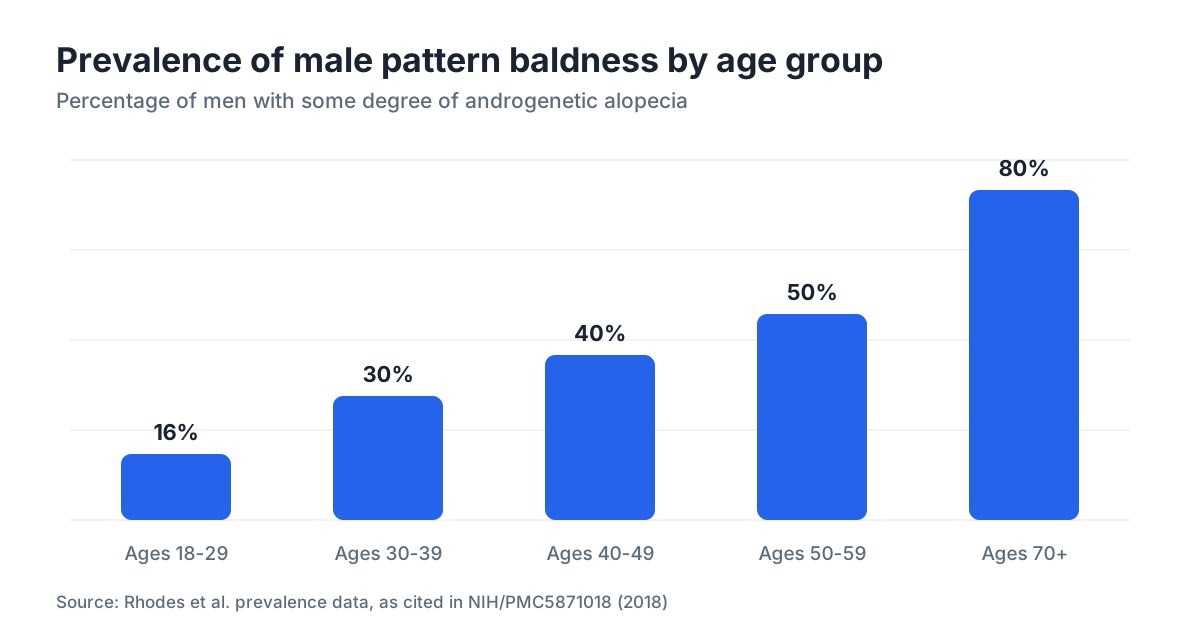
The genetic sensitivity comes from both sides of the family, more than your mother's father, which is a persistent myth. If multiple relatives on either side went bald early, your odds go up. Studies estimate that around 50% of men have some degree of androgenetic alopecia by age 50, rising to over 80% by age 80 [3].
The pattern follows the Norwood scale, which runs from Type I (minimal recession) to Type VII (near-total loss on top with a horseshoe fringe remaining). A receding hairline is often the first visible sign, typically at the temples, followed by thinning at the crown.
Because the mechanism is DHT, the two FDA-approved treatments for this cause are a DHT blocker called finasteride and a vasodilator called minoxidil. They target different parts of the problem and work better together than alone [4].
What role does DHT play in male hair loss?
DHT is the single most important hormonal actor in male hair loss. It is a more potent androgen than testosterone itself, and it binds to androgen receptors in scalp follicles with roughly five times the affinity of testosterone [2].
The follicles most sensitive to DHT sit at the top and front of the scalp. The follicles at the sides and back are largely resistant, which is why pattern baldness leaves that characteristic horseshoe shape. Hair transplant surgeons exploit this by harvesting donor hair from the DHT-resistant zones at the back and sides, where it stays permanent even after transplantation [5].
Finasteride works by blocking 5-alpha reductase type II, the enzyme that converts testosterone to DHT, and in clinical trials it reduced scalp DHT levels by roughly 60% [4]. That reduction slows or stops follicle miniaturization in most men who take it. See the full evidence on finasteride if you want the trial data and side effect profile.
One thing DHT does not do is cause shedding in the fast, dramatic way that telogen effluvium does. DHT-driven loss is slow. It's measured in years, not weeks.
Can stress cause hair loss in men?
Yes, and the mechanism is well defined. Severe physical or emotional stress can push a large number of follicles at once into the resting (telogen) phase, producing a condition called telogen effluvium. Normally about 10-15% of your follicles are resting at any time. In telogen effluvium, that percentage spikes, and two to three months later, when those resting hairs shed all at once, you notice handfuls in the shower drain.
The lag between the stressor and the shedding confuses a lot of people. You lose hair in November from a surgery or illness you had in August, and it does not feel connected. It is.
Common triggers include major surgery, a high fever or serious illness (COVID-19 drove a significant wave of telogen effluvium cases documented in 2020-2021), sudden severe weight loss, and prolonged psychological stress [6]. The good news is that telogen effluvium is usually self-limiting. Once the trigger resolves, hair typically regrows over six to twelve months without any treatment. Chronic telogen effluvium, lasting over six months, is less common and often tied to an ongoing stressor like a nutritional deficiency or thyroid problem.
If you are not sure whether you are dealing with pattern loss or a shedding episode, the pattern matters. Telogen effluvium tends to be diffuse, meaning all over the scalp rather than concentrated at the temples and crown.
What medical conditions cause hair loss in men?
Several systemic conditions disrupt the hair growth cycle enough to cause noticeable shedding or thinning.
Thyroid disease is one of the most common. Both hypothyroidism (underactive) and hyperthyroidism (overactive) can cause diffuse hair thinning. The American Thyroid Association notes that the hair loss from thyroid dysfunction is typically reversible once thyroid levels normalize with treatment [7].
Alopecia areata is an autoimmune condition where the immune system attacks hair follicles. It typically produces round, smooth bald patches rather than the gradual recession of pattern baldness. It can affect men of any age, including children. Severe forms, called alopecia totalis or universalis, can cause loss of all scalp or body hair. The National Alopecia Areata Foundation estimates it affects about 6.8 million people in the United States [8].
Scalp infections, particularly tinea capitis (ringworm of the scalp), cause patchy hair loss in areas of fungal infection. This is more common in children but can occur in adults. Diagnosis and antifungal treatment stop the loss and allow regrowth.
Lupus and other autoimmune or inflammatory conditions can also cause hair loss, sometimes as one of their earliest signs. Scarring alopecias like lichen planopilaris permanently destroy follicles if not caught and treated early, which is why sudden patchy loss should get a dermatologist's attention quickly.
Do medications and drugs cause hair loss in men?
Drug-induced hair loss is real and underappreciated. The FDA requires drug manufacturers to list alopecia as a side effect when it appears in clinical data, and a surprising number of common medications carry that flag [9].
Categories most commonly linked to hair loss include:
- Anticoagulants (blood thinners like warfarin and heparin)
- Beta-blockers used for blood pressure and heart conditions
- Retinoids (high-dose vitamin A derivatives, oral acne drugs)
- Cholesterol-lowering drugs in the statin class (less common, but documented)
- Antidepressants, particularly SSRIs in some patients
- Anabolic steroids and testosterone replacement therapy, which can sharply accelerate DHT-driven pattern loss in genetically susceptible men
- Chemotherapy drugs, which target rapidly dividing cells including hair follicle cells, causing the well-known sudden and severe shedding called anagen effluvium
If you started a new medication and noticed increased shedding two to four months later, bring it up with your prescribing doctor. Do not stop a prescription medication over hair concerns without medical guidance. Often a switch to a different drug in the same class solves the problem. One ironic case is worth flagging: some men taking high-dose oral minoxidil for blood pressure actually experience initial shedding before stabilizing.
Can nutritional deficiencies cause hair loss in men?
They can, but this is one of the most over-sold explanations on the internet. Most men eating a reasonably varied diet in developed countries are not losing hair because of nutrition. Still, specific deficiencies do have real evidence behind them.
Iron deficiency is the best supported. Low ferritin (stored iron) impairs the hair growth cycle, and iron deficiency anemia causes diffuse shedding in both men and women. A review in the Journal of the American Academy of Dermatology found a consistent association between iron deficiency and hair loss, though the direction of causality was not always clear [10].
Zinc deficiency is linked to hair loss in clinically deficient populations, including people with malabsorption conditions.
Protein deficiency from severe caloric restriction or crash dieting can push follicles into telogen and trigger shedding, since hair is made of keratin, which is a protein.
Vitamin D deficiency appears in studies correlating low serum vitamin D with alopecia areata and telogen effluvium, though whether supplementation reverses the loss is less established.
What the evidence does not support is the idea that high-dose biotin supplements grow hair in men who are not deficient in biotin. Most men with pattern baldness are not biotin-deficient. Biotin has not shown benefit in controlled trials for androgenetic alopecia. The supplement industry selling biotin to men with pattern baldness is largely selling false hope. For a broader look at what actually works, see hair loss supplements.
Does scalp health or hairstyle cause hair loss in men?
Traction alopecia is a real and preventable cause of hair loss. Sustained tension on the hair follicle from tight hairstyles, dreadlocks, cornrows, ponytails, or extensions can damage the follicle over time. Early traction alopecia is reversible if the tension is removed. Chronic traction can cause permanent scarring and follicle destruction [1].
In men, this most often appears along the hairline in those who wear tight updos or use hair extensions.
Scalp inflammation from seborrheic dermatitis (the condition behind severe dandruff) can contribute to shedding in some men, though it is rarely the primary driver. Psoriasis on the scalp can also cause localized inflammation that disrupts hair growth. Treating the underlying scalp condition typically stops that contribution.
Regular harsh chemical treatments, excessive heat, or aggressive mechanical stress from over-brushing can cause breakage, which looks like thinning but is not true follicle loss. The hair is breaking above the scalp, not falling from the root. It grows back if you stop doing the damage.
Can lifestyle factors like smoking or diet cause hair loss in men?
Smoking has been linked to accelerated androgenetic alopecia in several studies. One analysis found that current smokers had significantly higher odds of moderate to severe male pattern hair loss compared to non-smokers [11]. The proposed mechanisms include reduced blood flow to the scalp, increased androgen levels, and oxidative stress that damages follicle DNA. Quitting smoking is not a hair loss treatment, but the association is real enough that it should not be ignored.
Heavy alcohol use can affect hormone levels, disrupt sleep, and impair nutrient absorption, all of which can indirectly affect hair. Moderate drinking does not have strong evidence for causing hair loss.
Poor sleep is linked to elevated cortisol, and chronically high cortisol can push follicles toward telogen. This too is an indirect effect and rarely the sole cause of significant loss.
The honest answer: lifestyle factors mostly accelerate or worsen losses that already have a genetic or hormonal foundation. They are not usually the primary cause on their own. If you have strong genetic risk for pattern baldness, a perfect diet and clean living will slow it, not stop it. The biology is stubborn.
How do I know which cause is behind my hair loss?
The pattern and speed of loss give you the first clues.
- Gradual recession at the temples and thinning at the crown, developing over years: almost certainly androgenetic alopecia.
- Sudden diffuse shedding across the whole scalp, starting two to three months after a major stressor: almost certainly telogen effluvium.
- Distinct round bald patches with smooth skin inside them: alopecia areata.
- Patchy loss with scaling, redness, or breakage at the scalp: scalp infection or psoriasis.
- Loss concentrated where a tight hairstyle puts tension: traction alopecia.
Blood tests a doctor may order include a complete blood count (for anemia), thyroid-stimulating hormone, ferritin, zinc, vitamin D, and, in some cases, androgen levels. A scalp biopsy is the gold standard for diagnosing scarring alopecias and can distinguish between conditions that look similar visually.
If you want a first look before booking an appointment, the free AI analysis at MyHairline can assess your scalp photos and give you a starting framework. It is not a diagnosis, but it can help you describe what you are seeing more precisely when you do see a dermatologist.
For men dealing with combination causes, which is common, treatment often means addressing the underlying trigger while also managing pattern loss separately. Finasteride and minoxidil together remain the most evidence-backed combination for androgenetic alopecia, and the data behind that combination is substantially stronger than either drug alone.
What hair loss causes are specific to younger men versus older men?
Age shapes which causes are most likely, though no cause is strictly age-limited.
In teenagers and men in their early twenties, sudden patchy loss is more likely to be alopecia areata or scalp ringworm. Early onset pattern baldness does occur in this age group, and it often signals a strong genetic predisposition. Prevalence data estimate that about 16% of men between 18 and 29 have some degree of androgenetic alopecia [3].
In men in their thirties and forties, pattern baldness is by far the dominant cause. Telogen effluvium from career and life stress, dietary changes, or illness becomes more visible in this decade as well.
In older men, the prevalence of androgenetic alopecia climbs steeply. The condition itself is not dangerous, but other causes like thyroid disease, medication effects (statins, antihypertensives), and nutritional absorption changes become more worth ruling out because they are more common in older adults.
For anyone in any age group with rapid loss, widespread loss that does not match the typical pattern baldness template, or loss accompanied by scalp symptoms like pain, burning, or scarring, see a board-certified dermatologist. Do not self-diagnose and self-treat online. Getting the cause right is the entire game.
Which hair loss cause is most treatable?
Telogen effluvium is probably the most reliably reversible. Find and fix the trigger, and the hair comes back. No drugs required in most cases, just time and patience.
Androgenetic alopecia is the most common, and it is manageable but not curable. FDA-approved topical minoxidil for men and oral finasteride can slow or halt progression and produce regrowth in a meaningful percentage of men, but they require ongoing use. Stop the drugs, and the underlying process resumes. For men who have already lost significant ground, a hair transplant can restore density to areas where follicles are gone, using DHT-resistant donor hair from the back and sides.
Alopecia areata can be treated with corticosteroids, topical immunotherapy, and newer JAK inhibitor drugs (baricitinib and ritlecitinib received FDA approval for severe alopecia areata in 2022 and 2023 respectively), but it can also remit on its own. The course is unpredictable.
Scarring alopecias are the most difficult because once a follicle scars over, it cannot produce hair again. The goal of treatment is stopping further progression.
Drug-induced hair loss typically resolves after stopping the offending medication, though it can take several months for full regrowth.
If you are concerned about side effects from any topical treatment, the minoxidil side effects guide covers what is real versus what is overstated in forums.
Sources
- American Academy of Dermatology, Hair Loss Overview
- StatPearls (NCBI/NIH), Androgenetic Alopecia
- Rhodes T et al, prevalence data cited in NIH/PMC androgenetic alopecia review
- International Society of Hair Restoration Surgery (ISHRS)
- American Academy of Dermatology, Hair Loss Causes
- American Thyroid Association, Hypothyroidism Patient Resources
- National Alopecia Areata Foundation, About Alopecia Areata
- MedlinePlus (NIH), Drugs and Medications That Cause Hair Loss
- Trost LB, Bergfeld WF, Calogeras E. The diagnosis and treatment of iron deficiency and its potential relationship to hair loss. Journal of the American Academy of Dermatology. 2006
- Su LH, Chen TH. Association of androgenetic alopecia with smoking and its prevalence among Asian men. Archives of Dermatology. 2007