
TL;DR: You can't always prevent hair loss, especially when your genes are working against you, but you can slow it a lot. Minoxidil and finasteride have the strongest clinical evidence. Fixing nutritional deficiencies, easing mechanical stress on hair, and catching early shedding fast all help. The earlier you act, the more hair you keep.
Why does hair loss happen in the first place?
Before you can avoid hair loss, you need to know what type you're dealing with, because the strategy changes completely depending on the cause. what causes hair loss breaks this down in detail, but the short version is this: most permanent hair loss in men is androgenetic alopecia, driven by a genetic sensitivity to dihydrotestosterone (DHT). Women get it too, though it usually shows up as diffuse thinning rather than a receding front.
Then there's temporary shedding, called telogen effluvium, triggered by stress, illness, surgery, rapid weight loss, or hormonal shifts like postpartum changes. Hair falls out two to four months after the trigger. Most people grow it back once the trigger clears.
Other causes include thyroid dysfunction, iron deficiency, autoimmune conditions like alopecia areata, and certain medications. The American Academy of Dermatology says roughly 80 million Americans have hereditary hair loss, which makes it by far the most common type. [1]
Your type matters because a supplement won't fix a DHT problem, and finasteride won't fix an iron deficiency. A dermatologist can run a basic blood panel and, if needed, a scalp biopsy to tell you exactly what you're up against.
What are the proven medical treatments that prevent further hair loss?
Two drugs have genuine FDA approval for hair loss. Everything else is a distant third.
Minoxidil started life as a blood pressure medication. Researchers noticed systemic hair growth as a side effect and a topical version followed. The FDA approved 2% topical minoxidil for women in 1991 and 5% for men in 1997. [2] It works by extending the anagen (growth) phase of the hair cycle and widening miniaturized follicles. Most people using 5% foam or solution twice daily see loss slow down within three to six months, and some see regrowth. It does not block DHT, so it's not fixing the root cause in androgenetic alopecia. It's buying the follicle time. minoxidil for men covers dosing in more detail. Side effects are usually mild but worth reading about: minoxidil side effects.
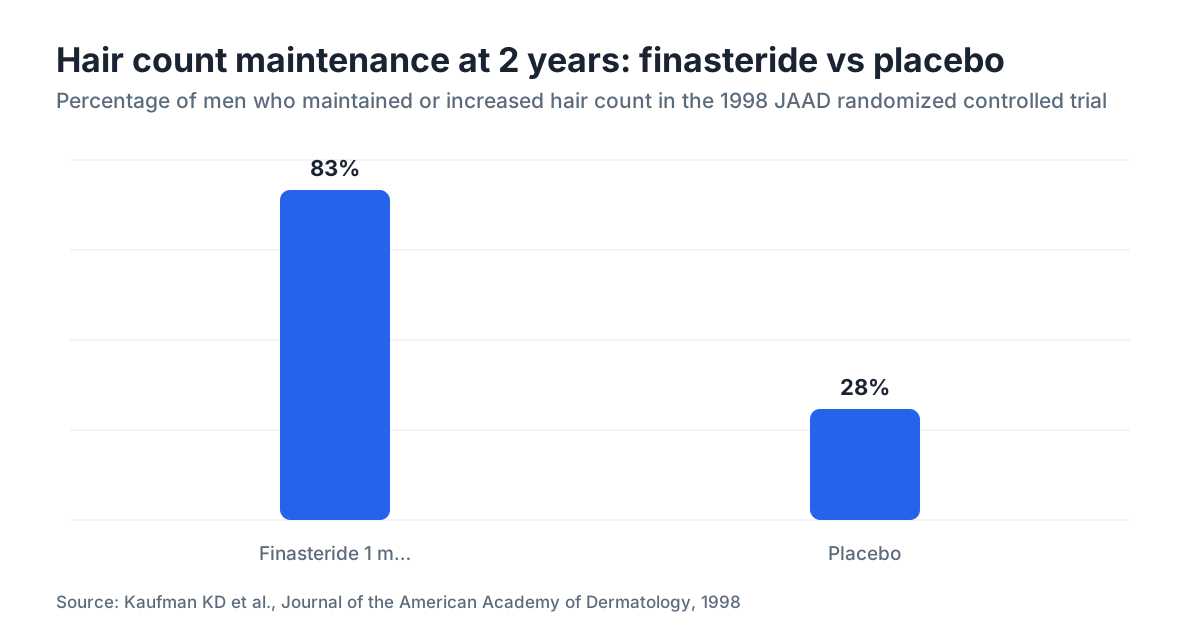
Finasteride is an oral 1 mg daily pill that blocks the 5-alpha reductase enzyme, cutting DHT levels in the scalp by roughly 60-70%. [3] A two-year trial published in the Journal of the American Academy of Dermatology found that 83% of men on finasteride maintained or increased hair count versus 28% on placebo. [3] It's FDA-approved for men only. Women of childbearing age cannot take it. Sexual side effects hit a minority of users, somewhere around 1-5% in trials, though post-marketing reports suggest the real number may run higher in some groups. finasteride has the full breakdown.
Using both together is common, and it makes sense mechanically. One addresses blood flow and follicle size, the other addresses DHT. They hit the problem from two directions. See finasteride and minoxidil for the combination evidence.
For people who want to block DHT without a prescription, saw palmetto and other dht blockers have some limited evidence but nothing close to finasteride's trial data.
| Treatment | FDA approved | Evidence level | Typical result |
|---|---|---|---|
| Topical minoxidil 5% | Yes (men) | Strong (multiple RCTs) | Slows loss, modest regrowth |
| Finasteride 1 mg oral | Yes (men) | Strong (multiple RCTs) | Slows loss, some regrowth |
| Oral minoxidil | Off-label | Growing (Phase II/III data) | Slows loss, possibly better than topical |
| Low-level laser therapy | FDA-cleared (device) | Moderate | Modest density improvement |
| Saw palmetto | No | Weak (small trials) | Uncertain |
| Biotin supplements | No | Very weak | Only helps if deficient |
How do you avoid hair loss from nutritional deficiencies?
Nutritional deficiencies are one of the few reversible causes of hair loss, and blood work catches them easily. Iron deficiency is the most common nutritional trigger, especially in women with heavy periods or people eating plant-based. Ferritin (stored iron) below 30 ng/mL is consistently tied to hair shedding in dermatology literature, even when hemoglobin reads normal. [4] Getting ferritin above 70 ng/mL is the target most dermatologists aim for when treating shedding.
Zinc deficiency can mimic the diffuse shedding of telogen effluvium. Vitamin D has a less clear role, but hair follicles carry vitamin D receptors, and deficiency runs common in people with alopecia areata. [5] Protein matters too. Hair is roughly 95% keratin, a protein, and very low-protein diets reliably cause shedding.
Biotin gets a lot of marketing attention and almost none of the clinical respect. The FDA has warned that high-dose biotin supplements can throw off thyroid and cardiac lab tests, and there's no good evidence biotin helps hair loss unless you have the rare genetic biotin deficiency. [6] Save your money unless a doctor finds you're actually short on it.
The hair loss supplements article goes through the evidence on individual ingredients honestly. The short version: fix real deficiencies first, then reassess.
Can stress cause permanent hair loss, and how do you stop it?
Stress causes temporary hair loss, not usually permanent loss, unless the stressor drags on for years. The mechanism is telogen effluvium: a big shock to the system, physical or psychological, pushes a higher-than-normal share of follicles into the resting phase all at once. Two to four months later, they shed together. It's alarming and usually self-correcting once the trigger resolves.
Chronic stress is trickier. Elevated cortisol disrupts the hair growth cycle over time and may speed up androgenetic alopecia in genetically susceptible people, though the direct data is harder to pin down. A 2021 study in Nature found a stress hormone pathway in mice that depleted hair follicle stem cells, which is compelling mechanistically even if the human data is thin. [7]
Here's the practical read. If you're shedding heavily and you went through something major a few months ago, the most likely diagnosis is telogen effluvium, and the fix is addressing the cause, not buying a hair product. If stress is the driver, sleep, exercise, and removing the stressor beat any supplement. A dermatologist can confirm with a hair pull test or trichoscopy.
What hair care habits cause hair loss, and what should you change?
Most hair care mistakes cause breakage, not true follicle-level loss. But traction alopecia is real, and it turns permanent if you keep at it long enough. Tight braids, ponytails, buns, or locs that pull on the scalp day after day scar the follicle over time. The AAD specifically recommends wearing hair loose or in loose styles to prevent it. [1]
Heat styling (flat irons, blow dryers on max, curling irons) damages the hair shaft and causes breakage. It doesn't usually reach the follicle below the scalp, so the loss isn't permanent, but chronic breakage at the scalp line reads as hairline thinning.
Chemical treatments, relaxers and bleach in particular, can burn the scalp and, done aggressively and often, damage follicles along the way. This matters for central centrifugal cicatricial alopecia (CCCA), a scarring hair loss seen mostly in Black women and often made worse by certain styling practices. [8]
Wet hair is more fragile than dry hair, so brushing or combing hard right out of the shower causes more breakage than the same handling on dry hair. A wide-tooth comb, starting from the ends, fixes it.
Washing frequency matters less than people think. Daily washing with a gentle shampoo is fine. Skipping washes doesn't save hair. Sebum buildup and scalp inflammation from not cleansing can actually worsen conditions like seborrheic dermatitis, which itself feeds shedding.
Does diet affect hair loss, and what should men eat?
Diet affects hair loss mainly through nutrient levels and inflammation. No magic food regrows hair, but sustained poor nutrition sets up the conditions for faster shedding.
Protein intake matters. Studies on protein restriction during dieting show clear telogen effluvium. Aim for at least 0.8 grams per kilogram of body weight per day from the standard dietary guidelines, though 1.2 to 1.6 g/kg is where most sports nutrition research finds better tissue repair. [9]
Omega-3 fatty acids have a small evidence base in hair: a 2015 randomized trial in the Journal of Cosmetic Dermatology found an omega-3 and omega-6 supplement with antioxidants reduced hair loss and improved density over six months versus placebo. [10] Fatty fish (salmon, mackerel, sardines) or a fish oil capsule is a reasonable low-risk addition.
Sugar and highly processed foods that spike insulin have some association with androgenetic alopecia through their effect on androgens, since insulin resistance raises circulating androgens. The direct trial evidence is thin. The mechanism is plausible, the proof isn't solid yet.
Crash dieting is a genuine trigger. Rapid caloric restriction, especially below about 1,200 kcal a day, reliably causes telogen effluvium. To lose weight without setting off shedding, go slower and keep protein high while you cut calories. People ask constantly about specific supplements like creatine: does creatine cause hair loss walks through the limited evidence.
How can men specifically avoid hair loss from genetics?
Genetic hair loss, androgenetic alopecia, is the hardest to avoid because you can't change your DNA. But you can meaningfully delay and reduce how bad it gets, especially if you start early.
The earlier you start treatment, the more hair you keep. This isn't a pep talk, it's biology. Follicles miniaturize progressively over years. Once a follicle is completely gone, topical treatments can't bring it back. Catch a receding hairline early, at Norwood 1-2, and finasteride can preserve the overwhelming majority of your existing hair. Start at Norwood 4 and you're chasing a further-gone problem.
The practical prevention protocol for men looks like this. Get a dermatologist assessment at the first real signs of thinning (not the first flash of panic, but thinning you can see in photos six months apart). Consider finasteride if you're over 18 and not planning to conceive soon. Add topical minoxidil. Check iron, ferritin, zinc, vitamin D, and thyroid with basic blood work. Ease the mechanical stress on your scalp. That's the whole list. There's no secret.
Oral minoxidil, 0.625 mg to 2.5 mg a day off-label, is getting real attention as an alternative to topical for people who find foam or liquid messy. The evidence is genuinely promising: oral minoxidil covers the current data.
Once loss has gone far, a hair transplant is the only way to put hair back. Prevention is always cheaper than restoration.
Does scalp health affect hair loss, and what actually helps?
Yes. A chronically inflamed scalp is a worse home for hair follicles. Seborrheic dermatitis (dandruff's more aggressive cousin, driven by a yeast called Malassezia) causes ongoing scalp inflammation that can speed up shedding in susceptible people. Treating it with ketoconazole shampoo has genuine evidence behind it. A 1998 randomized controlled trial found 1% ketoconazole shampoo used twice weekly maintained and even improved hair density versus placebo. [11]
Scalp massage has surprisingly decent evidence for a zero-cost move. A 2016 study in ePlasty found 4 minutes of daily standardized scalp massage over 24 weeks increased hair thickness in Japanese men. [12] The proposed mechanism is mechanical stretching of dermal papilla cells. It won't regrow hair you've already lost, but it may slow miniaturization, and it costs nothing.
Microneedling (dermarolling) at 0.5 to 1.5 mm on the scalp keeps showing up in studies as an add-on to minoxidil. A 2013 RCT in the International Journal of Trichology found microneedling plus minoxidil beat minoxidil alone by a wide margin. [13] Done wrong it can cause infection or scarring, so technique matters.
Most scalp serums and "growth oils" have thin to no clinical evidence. Castor oil, peppermint oil, rosemary oil: rosemary oil has one small trial comparing it to 2% minoxidil with roughly equal results at six months, but that trial used 2% (not 5%) minoxidil as the comparator, which is the weaker formulation. Reasonable addition, not a replacement.
What lifestyle changes actually reduce hair loss risk?
Sleep deprivation and chronic sleep disruption raise cortisol and suppress growth hormone, and both affect the hair growth cycle. There isn't a large direct trial on sleep and hair loss specifically, but the hormonal pathways are well established. The CDC recommends 7 to 9 hours of sleep a night for adults. [14]
Smoking has a documented association with androgenetic alopecia severity. A 2020 cross-sectional study in Skin Appendage Disorders found smokers had significantly higher rates of severe androgenetic alopecia than non-smokers, likely through reduced scalp microcirculation and more oxidative stress on follicles. [15]
Exercise improves scalp circulation and cuts systemic inflammation, both of which make for a better follicle environment. Heavy anabolic steroid use runs the other way, flooding the body with androgens that convert to DHT and accelerating androgenetic alopecia hard. It's one of the fastest routes to severe hair loss in genetically susceptible men.
Alcohol in large amounts depletes zinc and iron, wrecks sleep, and raises inflammatory markers. Moderate drinking probably isn't a major driver, but heavy chronic drinking stacks against you on several nutritional fronts.
Want an objective starting point before you pick a strategy? Tools like the free AI hair scan at MyHairline (myhairline.ai/scan) can map your Norwood or Ludwig stage from photos, so you walk into a dermatologist's office with specifics instead of going in blind.
When should you see a doctor about hair loss?
See a dermatologist if you're losing more than 150 hairs a day consistently (normal is 50-100), if you notice patchy bald spots rather than diffuse thinning, if your scalp is itchy, painful, or scaly, if you're a woman under 50 with significant hair loss (hormonal causes are more likely and more treatable), or if you've had rapid shedding within the past six months after an illness or major stressor.
A good dermatologist orders TSH (thyroid), CBC (complete blood count), ferritin, serum zinc, and vitamin D at minimum. In women, testosterone, DHEAS, and SHBG may also matter. A scalp biopsy is sometimes needed to rule out scarring alopecia, which has a completely different treatment path and where early aggressive intervention counts because follicle damage there is irreversible.
Over-the-counter solutions are fine to start while you wait for an appointment, but they don't replace a diagnosis. Treating telogen effluvium with minoxidil won't hurt you, but it won't fix an iron deficiency either. Treating androgenetic alopecia with iron won't fix DHT sensitivity. Getting the right diagnosis first is the most efficient path there is.
Sources
- American Academy of Dermatology, Hair Loss Overview and Prevention Tips
- FDA, Minoxidil Drug Approval History
- Kaufman KD et al., Journal of the American Academy of Dermatology, 1998; Finasteride in the treatment of men with androgenetic alopecia
- Trost LB et al., Journal of the American Academy of Dermatology, 2006; The diagnosis and treatment of iron deficiency and its potential relationship to hair loss
- Rasheed H et al., Dermatology and Therapy, 2013; Serum ferritin and vitamin D in female hair loss
- U.S. Food and Drug Administration, Safety Communication on Biotin Interference with Lab Tests
- Choi S et al., Nature, 2021; Corticosterone inhibits GAS6 to govern hair follicle stem-cell quiescence
- Aguh C, Okoye GA; Fundamentals of Ethnic Hair, JAMA Dermatology, central centrifugal cicatricial alopecia section
- Le Floc'h C et al., Journal of Cosmetic Dermatology, 2015; Effect of a nutritional supplement on hair loss in women
- Piérard-Franchimont C et al., Dermatology, 1998; Ketoconazole shampoo effect on scalp hair in male androgenic alopecia
- Koyama T et al., ePlasty, 2016; Standardized Scalp Massage Results in Increased Hair Thickness
- Dhurat R et al., International Journal of Trichology, 2013; A randomized evaluator blinded study of effect of microneedling in androgenetic alopecia
- Centers for Disease Control and Prevention, Sleep and Sleep Disorders, How Much Sleep Do I Need?
- Trüeb RM, Skin Appendage Disorders, 2020; Association of smoking with hair loss severity in androgenetic alopecia