

TL;DR: Telogen effluvium (TE) is temporary hair loss where a shock to the body forces an abnormally large share of follicles into the resting (telogen) phase at once. The hairs shed two to three months later. Most cases resolve on their own within six to nine months once the trigger is gone.
What is telogen effluvium, exactly?
Telogen effluvium is diffuse, non-scarring hair loss caused by a disruption in the normal hair growth cycle. To understand it, you need a quick picture of that cycle first.
Every hair follicle cycles through three main phases: anagen (active growth, lasting two to six years), catagen (a short two-week transition), and telogen (a resting phase lasting roughly three months before the hair sheds and a new one starts growing) [1]. At any given moment, about 85 to 90 percent of your scalp hairs are in anagen and around 10 to 15 percent are in telogen [1]. You shed roughly 50 to 100 hairs a day under normal circumstances, which is the telogen club hairs falling out on schedule.
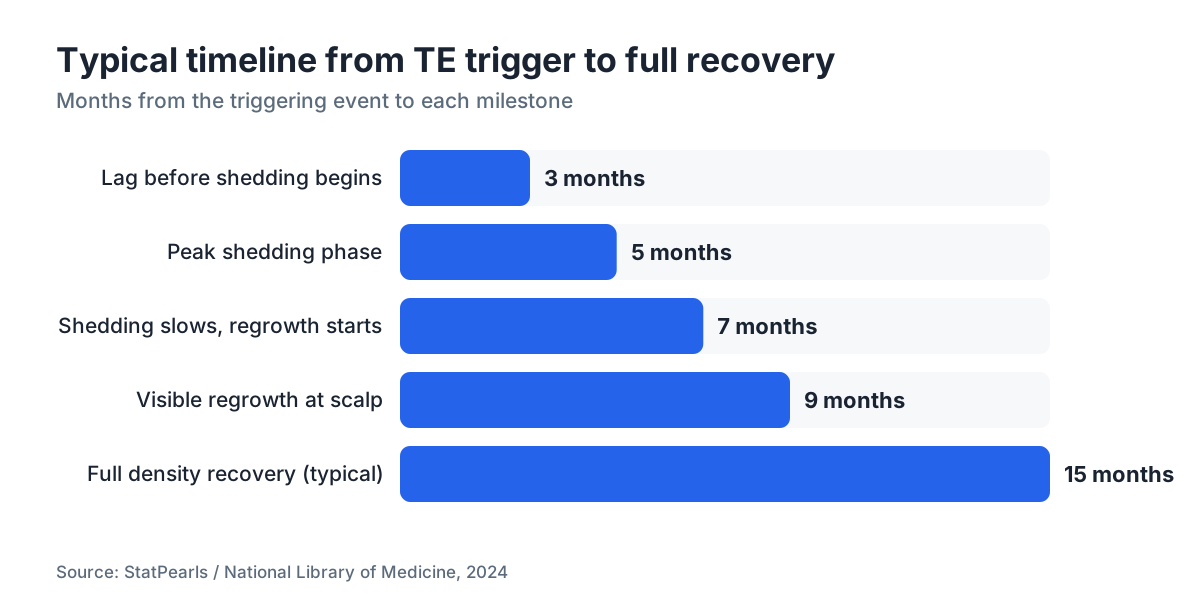
Telogen effluvium happens when something disrupts that rhythm and shunts an unusual number of follicles into telogen at once. Three months later, when those follicles shed their resting hairs together, you notice a dramatic jump in shedding. That two-to-three-month lag between the triggering event and the visible shedding is the hallmark of TE and the reason people so often miss the connection.
The term itself was coined by dermatologist Albert Kligman in 1961, describing a condition distinct from androgenetic alopecia (patterned hair loss) because TE is typically reversible, not concentrated at the crown or temples, and tied to a clear physiological stressor [2].
TE can affect any part of the scalp and the eyebrows or body hair in severe cases, though scalp shedding is most obvious. The hair that falls out usually has a visible white bulb at the root because it is a telogen club hair, not a broken strand.
What causes telogen effluvium?
Almost any significant physiological stress can trigger TE. The most common culprits fall into a few categories.
Illness and fever. High fevers, major infections, and serious illnesses, including COVID-19, are well-documented triggers [3]. A 2021 study in the Journal of the American Academy of Dermatology found that hair loss consistent with TE was reported by roughly 22 percent of COVID-19 patients in a large survey [3].
Childbirth. Postpartum telogen effluvium is probably the most common form. During pregnancy, elevated estrogen extends the anagen phase so fewer hairs shed than normal. After delivery, estrogen drops sharply and all those follicles that were held in anagen move into telogen together. The shedding typically peaks around three to four months postpartum [4].
Crash dieting and nutritional deficiencies. Rapid weight loss, very low-calorie diets, and deficiencies in iron, zinc, protein, and biotin are all linked to TE [5]. Iron-deficiency anemia is probably the most common nutritional cause in women. A ferritin level below 30 ng/mL is frequently cited as a threshold where hair loss worsens, though the exact cutoff is debated in the literature.
Major surgery or physical trauma. General anesthesia plus surgical stress is a classic trigger. Shedding usually starts about two to three months after the procedure.
Medications. A range of drugs can push follicles into telogen, including anticoagulants, retinoids, beta-blockers, antithyroid drugs, and some antidepressants [4]. If you suspect a medication, check its prescribing information and talk to your doctor before stopping anything.
Thyroid disorders. Both hypothyroidism and hyperthyroidism disrupt the hair cycle. The American Academy of Dermatology specifically lists thyroid disease as a common cause of diffuse hair loss [4].
Chronic stress. Prolonged psychological stress can trigger a slower, ongoing form called chronic telogen effluvium, where shedding lasts more than six months.
For a broader look at what else can cause hair loss beyond TE, the what causes hair loss guide covers androgenetic alopecia, alopecia areata, and other conditions worth ruling out.
How is telogen effluvium different from androgenetic alopecia?
This is the question that matters most for treatment, because the two conditions call for entirely different responses.
Androgenetic alopecia (AGA) is genetic, progressive, and follows a pattern: the Norwood scale for men (recession at the temples and thinning at the crown) and the Ludwig scale for women (diffuse thinning over the top). It is driven by dihydrotestosterone (DHT) shrinking follicles over years. Without treatment, it does not reverse.
Telogen effluvium, by contrast, sheds diffusely across the whole scalp rather than following a pattern, starts suddenly after a trigger, and usually reverses once the trigger is resolved. The follicles themselves are not miniaturizing. They are just temporarily in the wrong phase.
Here is the practical difference. If you have TE, waiting and fixing the underlying cause is often enough. If you have AGA, waiting makes it worse. The two can also coexist, which complicates things. Someone with underlying AGA who then gets postpartum TE may shed far more than expected, and the AGA may become more visible once the TE resolves.
| Feature | Telogen effluvium | Androgenetic alopecia |
|---|---|---|
| Pattern | Diffuse, all-over | Patterned (temples, crown) |
| Onset | Sudden, 2-3 mo after trigger | Gradual over years |
| Follicle fate | Temporarily in telogen | Progressively miniaturizing |
| Reversible? | Usually yes | No (without ongoing treatment) |
| Typical duration | 3-9 months | Permanent and progressive |
| Pull test | Often positive (diffuse) | Negative or focal |
If you are a man noticing a receding hairline along with diffuse shedding, you may be dealing with both at once. Getting a proper diagnosis matters before you spend money on anything.
How do doctors diagnose telogen effluvium?
There is no single definitive blood test for TE. Diagnosis is clinical, meaning a dermatologist looks at your history, does a physical exam, and sometimes orders bloodwork to find the trigger.
The pull test is the most common in-office maneuver. The doctor grasps 40 to 60 hairs near the root and pulls with gentle traction. Extracting more than 10 percent of the grabbed hairs (roughly six or more) is considered a positive result suggesting active shedding [2]. It is a rough screen, not a precise measurement.
Dermatoscopy, looking at the scalp with a handheld magnifying lens, can help a dermatologist see whether follicles are miniaturizing (suggesting AGA) or whether the follicle density and caliber look intact (more consistent with TE).
Bloodwork typically includes a complete blood count, thyroid-stimulating hormone (TSH), serum ferritin, vitamin D, zinc, and sometimes a full metabolic panel. These tests are looking for the trigger, not confirming TE itself. The American Academy of Dermatology recommends this workup for women presenting with diffuse hair loss [4].
A scalp biopsy is rarely needed for straightforward TE but can help when the diagnosis is unclear or chronic TE needs to be distinguished from AGA or alopecia areata. Under the microscope, TE shows an elevated ratio of telogen follicles (above 25 percent) without follicle miniaturization [2].
Track your own timeline honestly. Write down every stressor, illness, dietary change, new medication, and major life event from the past six months. Dermatologists find this more useful than you might think.
How long does telogen effluvium last?
Acute TE, triggered by a single identifiable event, typically runs its course in three to six months of shedding, after which regrowth becomes visible. Full density recovery usually takes six to twelve months from the time shedding peaks, because the new hairs grow at roughly half an inch per month [1].
Chronic telogen effluvium is defined as TE lasting more than six months. It is more common in women and is often driven by ongoing stress, persistent nutritional deficiencies, or undiagnosed thyroid disease. It can fluctuate, with periods of heavy shedding followed by partial recovery, for years. The underlying follicles are typically preserved, which is reassuring, but chronic TE is genuinely distressing and deserves proper medical investigation.
One point worth knowing: regrowth hairs often come in shorter and finer at first, which can make the scalp look worse before it looks better. This is not a sign of permanent damage. The regrowth usually matches your normal texture within a few cycles.
Some people come out of an episode with a kind of hyperawareness, counting every hair in the shower drain even after the TE has resolved. Normal daily loss of 50 to 100 hairs can feel alarming once you have been through this. If you are several months past the trigger and overall density looks stable or better, that is a good sign the acute phase has passed.
What are the symptoms of telogen effluvium?
The main symptom is a lot of hair in places it should not be: the shower drain, your pillow, your hairbrush, your hands after running them through your hair.
Specifically, you might notice:
More than 100 to 150 hairs shed per day consistently, rather than occasionally. Handfuls of hair coming out in the shower. A visibly thinner ponytail circumference. More scalp showing when your hair is styled normally. In severe cases, thinning at the temples or a more visible part, though this is diffuse rather than the focal temple recession of male-pattern loss.
The scalp itself is not usually inflamed, itchy, or scarred in TE. If you have significant scalp pain, redness, or scaling, something else may be going on and warrants a dermatologist visit quickly.
One symptom that often surprises people: shedding from other parts of the body. Eyebrows and eyelashes can thin in moderate-to-severe TE, and body hair may decrease. This is rare and usually reserved for severe cases.
You will not typically go bald from TE alone. Even heavy shedding rarely exceeds 50 percent of total scalp hair, and because TE is diffuse, the remaining hairs cover the scalp reasonably well. The exception is if chronic TE runs very long or coexists with AGA.
Can you treat telogen effluvium, and do any treatments actually work?
The honest answer is that the primary treatment for TE is finding and fixing the trigger. No topical or oral product can override a body under physiological siege. If your ferritin is critically low, your thyroid is dysregulated, or you are eating 800 calories a day, addressing those issues is step one and is often the only step needed.
Beyond treating the root cause, here is what the evidence actually supports:
Minoxidil. Topical minoxidil is FDA-approved for androgenetic alopecia, not specifically for TE, but it does shorten the telogen phase and may speed up regrowth after a TE episode [6]. The 2 percent and 5 percent concentrations are the most studied. Some dermatologists prescribe it as a bridge to speed recovery. The catch: if you start minoxidil and then stop it, you can trigger another shed. Think carefully before starting if the TE trigger is already resolved and regrowth has begun. For a full look at how minoxidil works, the minoxidil for men guide is a good starting point, and minoxidil side effects covers the risks worth knowing.
Iron supplementation. If ferritin is low, correcting it helps. This is not a fast fix, since iron stores take months to rebuild, but it is well-supported for women with TE and documented iron deficiency [5].
Nutritional correction generally. Getting enough protein (the general recommendation is 0.8 grams per kilogram of body weight per day at minimum, and more if you were restricting) and correcting any micronutrient deficiencies through diet or supplementation is part of recovery. The evidence for specific supplements beyond correcting a documented deficiency is weak. The hair loss supplements article gives an honest breakdown of what is supported and what is mostly wishful thinking.
Finasteride. Finasteride is for AGA, not TE. It blocks DHT production, which does nothing for a follicle that is temporarily in telogen due to stress. If your hair loss is TE only, finasteride is not indicated. If you have concurrent AGA, that is a different conversation. See finasteride and finasteride and minoxidil for the detail on those treatments.
What does not work: biotin supplements when you are not biotin-deficient (very rare), expensive shampoos marketed for thinning hair, scalp serums with no clinical data behind them, and stress-reduction techniques alone when a physiological trigger has not been corrected.
If you want a baseline sense of what your shedding pattern looks like before seeing a dermatologist, the free AI hair analysis at MyHairline can give you an initial read on your pattern and density, which is useful context to bring to an appointment.
When should you see a doctor about hair shedding?
Not all shedding needs a doctor's visit, but some situations do.
See a dermatologist if: shedding has been heavy for more than three months without an obvious recoverable trigger, you cannot identify any trigger from the past six months, you notice a patterned recession or crown thinning alongside the diffuse shedding, your scalp is itchy, inflamed, or developing patches of complete hair loss, or you are losing eyebrows and eyelashes.
See a doctor urgently if you have systemic symptoms alongside the shedding: fatigue, cold intolerance, weight changes, or palpitations. These can point to a thyroid condition or anemia that needs blood work immediately.
Postpartum shedding that is severe or that has not improved by nine months postpartum also warrants a visit, since occasionally postpartum thyroiditis is the driver rather than the normal postpartum TE.
For men who notice both diffuse shedding and a slowly receding hairline, getting an early diagnosis matters because AGA responds much better to treatment started early. The receding hairline guide covers the Norwood staging system and what the early signs actually look like.
Is telogen effluvium different in women versus men?
In practice, yes, though the underlying biology is the same.
Women get TE far more often, largely because of the hormonal triggers unique to them: pregnancy, postpartum hormonal shifts, hormonal contraceptive changes, and perimenopause. Iron deficiency is also considerably more common in women due to menstrual blood loss.
Men can absolutely get TE, and often do after surgery, illness, or extreme dieting. The difference is that men are more likely to have underlying AGA that the TE unmasks or exaggerates. A man who would have started noticing thinning at 40 may notice it at 35 after a TE episode forces the underlying miniaturization into view.
Chronic telogen effluvium, the kind that lasts more than six months, is disproportionately diagnosed in women aged 30 to 60. The exact reason is unclear but is thought to involve iron status, hormonal fluctuations, and possibly higher baseline psychological stress levels.
Diagnosis is the same regardless of sex, but the threshold for checking hormone levels is lower in women presenting with diffuse loss, and the AAD's clinical guidance specifically recommends checking estrogen, DHEA-S, and free and total testosterone in women with diffuse alopecia when other causes are not obvious [4].
What is the difference between acute and chronic telogen effluvium?
Acute TE is the classic form: a clear trigger, heavy shedding for three to six months, then spontaneous recovery. The timeline is fairly predictable once the trigger is removed.
Chronic TE is defined as diffuse hair loss lasting more than six months. It can feel like a constant low-level shed rather than a dramatic episode, or it can come in waves. The AAD notes that in chronic cases the trigger is often multiple or ongoing rather than a single event, and a systemic cause such as thyroid disease or iron deficiency that has not been found and treated is frequently responsible [4].
There is also a subset called acute diffuse and total alopecia, a rare severe form where the scalp rapidly loses most of its hair. This is an extreme outlier and usually has a very clear severe trigger.
For chronic TE, the investigation needs to be more thorough. A single normal ferritin result years ago is not reassuring if the patient has been menstruating, eating poorly, or otherwise losing iron since then. Thyroid status can change. Repeat bloodwork and sometimes a scalp biopsy are warranted to rule out other progressive conditions.
The prognosis for chronic TE remains generally good in terms of follicle preservation. The follicles are not being destroyed. But without finding the trigger, shedding can continue for years, and that has real psychological consequences.
Does telogen effluvium cause permanent hair loss?
In the vast majority of cases, no. TE is considered temporary because the follicles themselves survive the telogen phase intact. They are resting, not dying. Once the trigger resolves and the follicle re-enters anagen, the hair grows back.
There are two ways TE can contribute to apparent permanent loss. First, if the trigger is never identified and resolved, the chronic ongoing stress can, over a very long period, begin to affect follicle health. This is poorly understood and not well quantified in the literature, but very prolonged chronic TE is thought to occasionally cause some thinning that does not fully reverse.
Second, TE does not cause AGA, but it reveals it. If you had mild AGA that you had not noticed, a TE episode can make it visually apparent for the first time, and that AGA will be permanent and progressive without treatment.
So if your hair does not fully return to its previous density after a TE episode, ask whether there was underlying AGA all along, not whether the TE caused permanent damage. A dermatologist looking at follicle caliber and distribution under dermatoscopy can usually tell the difference.
At MyHairline, the free AI scan can identify early signs of patterned thinning that might suggest AGA running alongside TE, which helps you ask the right questions before your dermatology appointment.
How do you speed up recovery from telogen effluvium?
There is no guaranteed accelerant, but there are things that give you the best shot at normal recovery on the shorter end of the timeline.
Fix the trigger aggressively. If it is iron deficiency, get your levels properly treated with supplementation under a doctor's guidance, more than dietary changes, which are too slow when ferritin is critically low. If it is thyroid disease, get medicated and dialed in. If it is a medication, talk to your prescriber about alternatives.
Eat enough protein. The hair shaft is almost entirely keratin, a protein. Inadequate dietary protein is a well-documented contributor to TE [5]. Getting back to at least 1.0 to 1.2 grams per kilogram of body weight daily is a reasonable floor during recovery.
Avoid additional stressors to the follicle. Tight hairstyles that create traction, bleaching or chemical processing, and excessive heat all add mechanical stress to already-fragile telogen hairs. This is not the time for a major color overhaul.
Consider topical minoxidil if regrowth is slow and a dermatologist supports it. The FDA-approved 5 percent foam for women and 5 percent solution or foam for men are the best-studied options. But as noted above, weigh the commitment, since stopping minoxidil can trigger another shed.
Be patient. The anagen phase of the new hair cycle takes time to establish. Even when shedding slows, you will not see the new hairs at cosmetically significant length for three to six more months. Managing expectations here is not a consolation, it is just accurate physiology.
Sources
- StatPearls, National Library of Medicine: Telogen Effluvium
- Journal of the American Academy of Dermatology: Kligman's original description and clinical diagnosis of telogen effluvium
- Journal of the American Academy of Dermatology: COVID-19 and hair loss survey, 2021
- American Academy of Dermatology: Hair loss types and causes
- Dermatology Practical and Conceptual: Nutritional deficiencies and hair loss review
- FDA: Minoxidil topical prescribing information
- AAD: Women and hair loss, clinical review
- National Institutes of Health, Office of Dietary Supplements: Biotin fact sheet
- Journal of Clinical Endocrinology and Metabolism: Thyroid disease and hair loss
- StatPearls, National Library of Medicine: Androgenetic alopecia
- Skin Appendage Disorders: Chronic telogen effluvium review