
TL;DR: No over-the-counter product blocks DHT as well as prescription finasteride, which cuts scalp DHT by roughly 70%. A few OTC options have real trial data though: saw palmetto, ketoconazole shampoo, and pumpkin seed oil. They work slowly, modestly, and mostly in early-stage loss. Managing your expectations before you spend is the whole game.
What is DHT and why does it cause hair loss?
DHT stands for dihydrotestosterone. It's a hormone your body makes when an enzyme called 5-alpha-reductase converts testosterone inside hair follicle tissue. For people with androgenetic alopecia, the pattern baldness that affects roughly 50% of men by age 50 and about 25% of women by age 50, follicles in certain scalp regions are genetically sensitive to DHT [1]. The DHT binds to androgen receptors inside those follicles and shrinks them over time through a process called miniaturization. Each hair cycle, the new strand comes in thinner and shorter, until the follicle stops producing visible hair at all.
That's why what causes hair loss in androgenetic alopecia is a hormone-plus-genetics story, not a nutrition deficiency or a shampooing mistake. Reducing DHT, either through the bloodstream or at the scalp, is the main biological lever you have.
The catch is that scalp DHT is concentrated. Finasteride, a prescription 5-alpha-reductase inhibitor, reduces serum DHT by about 70% at the 1 mg daily dose studied in the FDA approval trials [2]. OTC ingredients can't match that number. But "can't match" isn't the same as zero. It means modest, and modest matters if you catch loss early enough.
How do over-the-counter DHT blockers work?
OTC products that claim DHT-blocking activity mostly work through one of three routes:
- Weak 5-alpha-reductase inhibition (saw palmetto, pumpkin seed oil, beta-sitosterol)
- Anti-androgenic effects at the follicle receptor (some plant compounds at high concentrations)
- Scalp DHT reduction via antifungal action that also touches steroid metabolism (ketoconazole)
None of these is as clean or as strong as pharmaceutical 5-alpha-reductase inhibitors. What they do is create a partial, local drop in DHT activity. Think of it as dimming the lights, not flipping the switch off.
One thing worth saying plainly: many products sold as "DHT blockers", the biotin-heavy supplements, the scalp serums with zinc, the "hair vitamins" with 20 ingredients, have no credible mechanism for blocking DHT at all. Zinc deficiency is linked to hair loss, but supplementing zinc in someone who isn't deficient does essentially nothing for DHT levels [3]. The hair loss supplements space is full of this kind of ingredient padding.
Which OTC DHT blockers have the best clinical evidence?
Here's the honest summary of what the trials actually show:
| Ingredient | Best trial design | Duration | Hair outcome reported | Effect vs. finasteride |
|---|---|---|---|---|
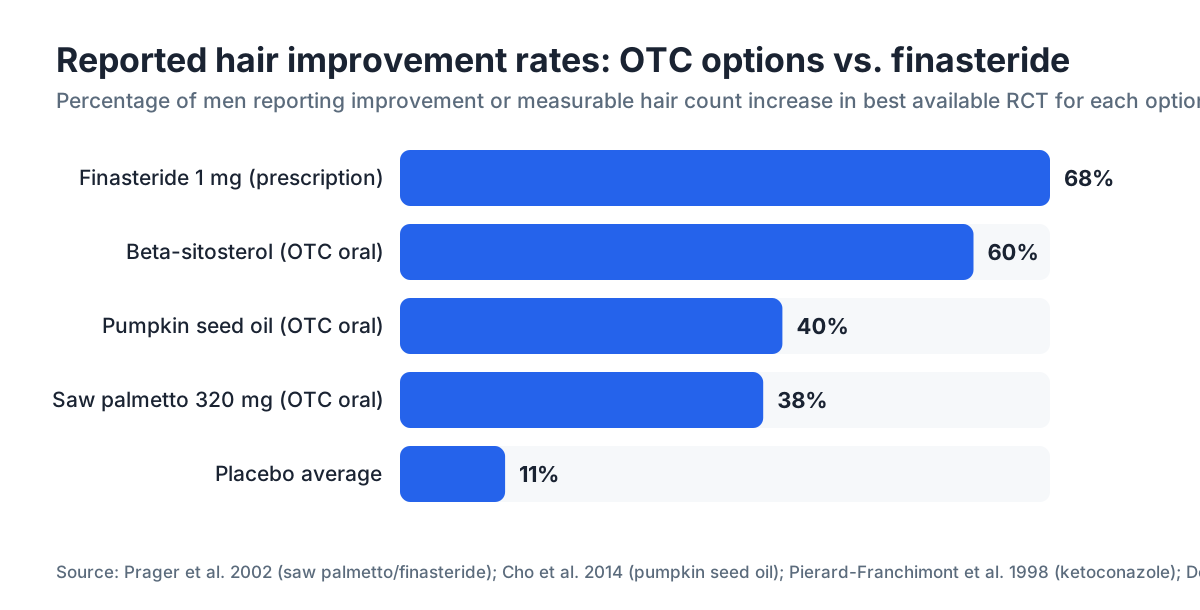
| Saw palmetto (oral) | RCT, 100 men, 2002 [4] | 2 years | 38% reported improvement vs. 68% with finasteride | Much weaker |
| Ketoconazole 1% shampoo | RCT vs. minoxidil 2%, 1998 [5] | 6 months | Similar density gains to minoxidil 2% | Not directly comparable |
| Pumpkin seed oil (oral) | RCT, 76 men, 2014 [6] | 24 weeks | 40% increase in hair count vs. 10% placebo | No direct comparison |
| Beta-sitosterol (oral) | Small RCT, 1995 [7] | 5 months | 60% rated as improved vs. 11% placebo | No direct comparison |
The 2002 saw palmetto trial is the one everyone cites. In it, 38% of men taking saw palmetto extract reported improved hair count after two years, versus 68% on finasteride 1 mg [4]. That gap is real and not trivial. But 38% still beats the placebo rate in most finasteride trials, which usually runs around 10 to 15%.
The pumpkin seed oil RCT in Evidence-Based Complementary and Alternative Medicine showed a 40% increase in hair count in treated men against roughly 10% in placebo after 24 weeks [6]. Small trial, narrow population, but a real randomized controlled study with a placebo arm. That makes it more trustworthy than the anecdotes filling most supplement pages.
Ketoconazole is the odd one out because it's an antifungal, not a plant extract. The 1998 trial in the Journal of the American Academy of Dermatology found 1% ketoconazole shampoo used two to four times a week produced hair density gains comparable to 2% minoxidil solution over six months [5]. The proposed mechanism involves ketoconazole's effect on 5-alpha-reductase in the scalp plus its anti-inflammatory action. Not a slam-dunk mechanism, but the results are real.
Want the most evidence-supported OTC route right now? Ketoconazole 1% shampoo paired with oral saw palmetto or pumpkin seed oil is where the data points. Don't expect transformation. Expect possible slowing of loss and modest thickening over 6 to 12 months, if you start early.
Is saw palmetto effective as a DHT blocker?
Saw palmetto (Serenoa repens) is the most studied OTC DHT-blocking ingredient for hair loss. It inhibits both type 1 and type 2 5-alpha-reductase, the same enzymes finasteride and dutasteride target [4]. The inhibition is weaker and less selective, but it's real biochemistry, not marketing.
A 2020 review in the Journal of the American Academy of Dermatology looked across multiple botanical treatments and called saw palmetto the most promising OTC alternative for androgenetic alopecia, while noting that "most studies were of low to moderate quality" [8]. That's a fair read.
Dosing matters. Most positive trial data uses 320 mg of standardized saw palmetto extract daily, usually standardized to 85 to 95% fatty acids. The cheaper capsules at 160 mg or with non-standardized extracts are probably underdosed. If you're going to try it, buy a reputable brand with a standardized extract and give it at least six months before you judge it.
Side effects at 320 mg are usually mild: occasional GI upset, and very rarely the same sexual side effects seen with finasteride, though the trial incidence is much lower. If you want the full risk picture on the prescription drug you'd be comparing against, the finasteride overview is worth reading.
Does ketoconazole shampoo block DHT?
Yes, with caveats. Ketoconazole is mainly an antifungal used for dandruff and seborrheic dermatitis. Its possible role in hair retention comes from its apparent ability to lower scalp DHT activity, probably through partial 5-alpha-reductase inhibition at the follicle plus anti-inflammatory effects that reduce how sensitive the scalp is to androgens.
In the US, ketoconazole 1% shampoo (like Nizoral A-D) is OTC. The 2% prescription version has stronger evidence but needs a doctor. The 1998 Pierard-Franchimont trial comparing 1% ketoconazole to 2% minoxidil solution found both produced similar hair density improvements over six months [5]. That's a striking result for a shampoo, and it's why dermatologists often mention ketoconazole as a reasonable add-on rather than a primary treatment.
The protocol you'll see most in clinical literature is ketoconazole shampoo two to four times a week, left on the scalp for two to five minutes before rinsing. Daily use isn't necessary and can dry out the scalp in some people.
Don't lean on ketoconazole alone if you have active, visible recession. It's most useful as support alongside something stronger, either OTC minoxidil or, if you and your doctor agree, a prescription option. For what minoxidil does and doesn't do, see minoxidil for men.
What about pumpkin seed oil, beta-sitosterol, and other plant-based options?
Pumpkin seed oil contains phytosterols including beta-sitosterol, which is thought to inhibit 5-alpha-reductase. The 2014 RCT in Evidence-Based Complementary and Alternative Medicine (76 men, 24 weeks) found a 40% increase in mean hair count in the treatment group versus about 10% in placebo [6]. That's a real, peer-reviewed, placebo-controlled trial, which is more than most supplements can claim.
Beta-sitosterol on its own has a smaller 1995 RCT behind it: 60% of men rated their hair improved at five months versus 11% on placebo [7]. The sample sizes across all these studies are small enough that larger replication would help a lot.
Other ingredients that show up in OTC "DHT blocker" products:
Green tea extract (EGCG): Some in vitro and animal data suggests 5-alpha-reductase inhibition, but human trials for hair loss are missing or very preliminary.
Pygeum africanum: Used more often for prostate conditions, shares some mechanism overlap with saw palmetto, but essentially no dedicated hair loss trial data.
Rosemary oil: A 2015 trial in Skinmed compared rosemary oil to 2% minoxidil over six months and found comparable hair count increases [9]. The mechanism isn't DHT blockade. Rosemary likely works through better scalp circulation. But it comes up in these conversations enough to deserve a mention.
Zinc and biotin: Often bundled with DHT blockers. No credible evidence they affect DHT levels. Zinc deficiency does correlate with hair loss, so correcting a documented deficiency makes sense, but dosing them on top of a normal diet isn't a DHT-blocking strategy.
The honest bottom line on plant-based options: pumpkin seed oil and saw palmetto have the best human trial data. Everything else is mostly theoretical or anecdotal. If you decide to try them, give it 6 to 12 months before you can meaningfully assess anything.
How do OTC DHT blockers compare to prescription finasteride?
This is the comparison most people researching this topic actually need to see.
| Option | DHT reduction | Avg hair count change (trials) | Rx required? | Monthly cost (approx) |
|---|---|---|---|---|
| Finasteride 1 mg oral | ~70% serum DHT [2] | +12 to 15% vs. baseline over 2 years [2] | Yes (US) | $15 to 30 generic |
| Saw palmetto 320 mg oral | Partial, unmeasured | ~38% subjective improvement [4] | No | $15 to 25 |
| Pumpkin seed oil oral | Partial, unmeasured | +40% hair count vs. placebo [6] | No | $10 to 20 |
| Ketoconazole 1% shampoo | Topical/localized | Similar to minoxidil 2% in one trial [5] | No (1% version) | $10 to 15 |
| Minoxidil 5% topical | No DHT effect | +12 to 18% hair count over 48 weeks [10] | No | $15 to 25 |
Finasteride's evidence base is in a different league. Decades of large randomized controlled trials, FDA approval, consistent regrowth data. OTC options are real but modest. And the cost gap between finasteride and the OTC alternatives is often smaller than people assume, since generic finasteride is cheap now.
If you want the combination approach many dermatologists actually recommend, finasteride and minoxidil covers what the combined data shows. If prescription treatment isn't accessible, or you have concerns about systemic side effects, OTC options are a legitimate place to start. Just go in knowing the ceiling.
One practical note: if you have a receding hairline and you're catching it early, even modest DHT reduction could meaningfully slow things down. The earlier you start, the better any intervention works, OTC or prescription.
Are OTC DHT blockers safe, and do they have side effects?
The safety profile of OTC options is generally friendlier than prescription DHT blockers, but "generally safe" doesn't mean zero risk.
Saw palmetto at 320 mg daily: The most common side effects in trials are mild GI issues, nausea, stomach upset, diarrhea. Sexual side effects (reduced libido, erectile dysfunction) have been reported but at lower rates than with finasteride. Because saw palmetto does have weak 5-alpha-reductase activity, the theoretical risk exists. In practice, serious sexual side effects in published trials are rare at standard doses.
Ketoconazole shampoo: Very low systemic absorption at 1% when used as a shampoo. The main risks are local: scalp dryness, irritation, or contact dermatitis in sensitive people. Oral ketoconazole carries serious liver toxicity risks, but that's a different formulation and irrelevant to the shampoo used for hair.
Pumpkin seed oil: No significant adverse events were reported in the 2014 RCT [6]. Considered food-safe at standard doses.
What OTC options won't do is cause the sexual side effects finasteride sometimes does, or the scalp irritation minoxidil can produce. See minoxidil side effects for a full breakdown of that comparison.
If you have underlying health conditions, take medications for prostate or hormone-related issues, or are pregnant or planning pregnancy, talk to a physician before adding anything with a hormonal mechanism, even the OTC ones. This goes double for women. Saw palmetto is not recommended during pregnancy.
The FDA does not evaluate supplements for efficacy the way it evaluates drugs [11]. So the "standardized extract" label on your saw palmetto bottle isn't independently verified unless the brand has third-party testing (USP, NSF, or Informed Sport certifications are worth looking for).
Who should actually consider OTC DHT blockers?
OTC DHT-blocking options make the most sense in three situations.
First: someone in early-stage loss (Norwood 1 to 2, or diffuse thinning just starting) who wants to try something before committing to prescription treatment. The modest benefit may be enough to slow progression during a period of evaluation.
Second: someone who can't or won't take prescription finasteride, whether for side effect concerns, cost, or access. OTC options give you something real to do, even if the ceiling sits lower.
Third: as an add-on alongside prescription treatment or minoxidil. Ketoconazole shampoo, for instance, shows up in several hair loss protocols as a reasonable extra, not because it replaces anything, but because it adds a low-risk, low-cost layer of DHT reduction right at the scalp.
Who OTC DHT blockers are probably not enough for: anyone with visible thinning at Norwood 3 or beyond, anyone losing hair rapidly, or anyone who has already lost significant follicle density. At that point you need stronger tools. The dht blocker overview covers the whole landscape, prescription options included.
Not sure where your loss falls on the progression scale? A good starting point is an objective look at your current hairline. MyHairline's free AI hair scan at /scan gives you a Norwood stage estimate from a photo in under a minute, useful context before you spend money on any treatment.
What's the best OTC DHT blocker routine to actually try?
Based on the available trial data, here's the most evidence-supported OTC stack:
Core: Saw palmetto 320 mg standardized extract, daily with food. This is the single OTC oral ingredient with the most hair-specific human trial evidence.
Shampoo: Ketoconazole 1% (Nizoral A-D or equivalent), two to four times a week, left on the scalp a few minutes before rinsing. Rotate with your regular shampoo on the other days.
Optional add: Pumpkin seed oil 400 mg daily if you want to stack plant-based 5-alpha-reductase inhibitors. No evidence they're synergistic, but no known harm either.
Timeline for assessment: six months minimum, twelve months preferred. Hair cycles are slow. Taking a photo in the same lighting and angle every four weeks is the only reliable way to track slow change.
What not to bother with: overpriced "DHT blocker" shampoos with proprietary blends, biotin megadoses (unless you have a documented deficiency), or any product claiming to "block 100% of DHT". That's pharmacologically impossible at OTC doses.
Spend what you save on supplements on a dermatologist visit if you haven't had one. An accurate diagnosis of telogen effluvium versus androgenetic alopecia changes everything about treatment strategy. The two get confused all the time, especially in women.
Can women use OTC DHT blockers for hair loss?
Women do get androgenetic alopecia driven by DHT sensitivity, though the pattern (diffuse thinning over the crown, often preserving the frontal hairline) differs from male pattern baldness. The hormonal picture is more complicated too, because estrogen levels, thyroid function, and other factors all interact with androgen activity.
For women, the evidence base for OTC DHT blockers is even thinner than for men. Most of the saw palmetto and pumpkin seed oil trials enrolled men. Extrapolating to women isn't unreasonable mechanistically, but the direct data isn't there.
Ketoconazole shampoo is probably the safest OTC option to try in women with female pattern hair loss, given its topical nature and minimal systemic absorption.
Spironolactone, a prescription aldosterone antagonist with anti-androgenic effects, is often used off-label in women with androgenetic alopecia, and it has much stronger evidence than any OTC option for this population. That's a conversation for a dermatologist, not a supplement aisle.
Pregnant women should avoid saw palmetto and any product with meaningful 5-alpha-reductase inhibiting activity. The FDA gave finasteride a pregnancy category X designation precisely because of teratogenic risk [2], and while saw palmetto's risk is less studied, the same caution is reasonable given its mechanism.
Sources
- American Academy of Dermatology, Hair loss types: Androgenetic alopecia
- National Institutes of Health Office of Dietary Supplements, Zinc fact sheet for health professionals
- Prager N et al., Journal of Alternative and Complementary Medicine, 2002, Randomized trial of saw palmetto vs finasteride in androgenetic alopecia
- Pierard-Franchimont C et al., Journal of the American Academy of Dermatology, 1998, Ketoconazole shampoo vs minoxidil 2% in androgenetic alopecia
- Cho YH et al., Evidence-Based Complementary and Alternative Medicine, 2014, Pumpkin seed oil RCT in men with androgenetic alopecia
- Delos S et al., Journal of Steroid Biochemistry and Molecular Biology, 1995, Beta-sitosterol inhibition of 5-alpha-reductase
- Bussa NF et al., Journal of the American Academy of Dermatology, 2020, Review of botanical treatments for androgenetic alopecia
- Panahi Y et al., Skinmed, 2015, Rosemary oil vs minoxidil 2% in androgenetic alopecia
- FDA, Dietary supplements overview