
TL;DR: Gut health can influence hair loss, but it's rarely the sole cause. The gut microbiome affects nutrient absorption, inflammation, and hormone metabolism, all of which feed into hair follicle function. The research is early-stage but real. Fixing a dysbiotic gut won't regrow hair on its own, but ignoring it may undermine every other treatment you try.
What is the gut microbiome and why would it affect hair?
Your gut hosts roughly 38 trillion microbial cells, comparable in number to the cells in your entire body [1]. These bacteria, fungi, and other microorganisms do far more than digest food. They regulate immune responses, produce vitamins, convert hormones, and communicate with almost every organ system you have, including your skin and hair follicles.
Hair follicles are remarkably metabolically active. Each one cycles through growth (anagen), regression (catagen), and rest (telogen) phases that depend on a steady supply of nutrients, tightly controlled inflammation, and balanced sex hormone signaling. Disrupt any of those inputs and the follicle starts cutting corners, which eventually means shorter growth cycles and thinner, shorter hairs.
The gut is where most of that input originates. Iron, zinc, biotin, folate, vitamin D, and protein are all absorbed in the small intestine, and that absorption depends on whether your mucosal lining is intact and your microbial community is healthy. A damaged gut lining (what researchers call increased intestinal permeability) lets bacterial byproducts leak into circulation, triggering low-grade systemic inflammation. That inflammation reaches the scalp. It's not a clean, linear chain of events, but the pieces are biologically plausible and increasingly supported by data [2].
What does the research actually show about gut bacteria and hair loss?
The honest answer is that the research is promising but young. Most of the strong evidence comes from rodent studies and small human cohort studies, not large randomized trials. A few findings are worth taking seriously anyway.
A 2021 study published in Nature Communications found that germ-free mice (raised with no gut bacteria) showed significantly delayed hair follicle cycling compared to conventionally colonized mice, and that transplanting a normal microbiome into germ-free animals partially restored normal cycling [3]. The mechanism appeared to involve short-chain fatty acids (SCFAs), particularly butyrate, which gut bacteria produce when they ferment dietary fiber. SCFAs help regulate the immune environment around hair follicles.
In humans, patients with alopecia areata (an autoimmune hair loss condition) show consistent differences in gut microbiome composition compared to people without the condition. A 2019 meta-analysis in the Journal of Investigative Dermatology found reduced microbial diversity and lower abundance of Faecalibacterium prausnitzii, a major butyrate producer, in alopecia areata patients [4]. That doesn't prove the gut causes alopecia areata, but it does show the two travel together.
For androgenetic alopecia (male and female pattern baldness, the most common type), the gut connection is more indirect. The gut microbiome metabolizes androgens. Certain bacteria express beta-glucuronidase, an enzyme that reactivates deconjugated androgens in the gut, potentially raising circulating androgen levels [5]. Since DHT (dihydrotestosterone) is the primary driver of pattern hair loss, anything that increases androgen availability matters. You can read more about how DHT drives pattern loss in our guide to dht blocker.
Nobody has good data yet on exactly how large a contributor gut dysbiosis is to androgenetic alopecia in humans. The closest evidence is associative. What we can say is that the pathway is real.
How does gut inflammation cause hair shedding?
Hair follicles are immune-privileged sites, meaning they normally suppress immune activity to protect actively growing hairs. When systemic inflammation stays high for months, that privilege breaks down [6].
Lipopolysaccharide (LPS), a molecule from the outer membrane of gram-negative gut bacteria, is a primary culprit. When gut permeability increases, LPS enters the bloodstream and activates toll-like receptors throughout the body, including on dermal papilla cells at the base of hair follicles. Activated dermal papilla cells crank up inflammatory cytokines like TNF-alpha and IL-6, both of which push follicles prematurely into the telogen (resting/shedding) phase [7].
This is essentially the same mechanism behind telogen effluvium, the diffuse shedding that follows illness, crash diets, surgery, or severe stress. Chronic low-grade gut-derived inflammation can produce a milder, longer-lasting version of the same thing. Instead of a dramatic shed that resolves in a few months, you get persistent, moderate shedding that's easy to dismiss and hard to pin down.
Here's the frustrating part. This kind of hair loss doesn't look different from other types. A dermatologist examining your scalp can't see gut inflammation. Diagnosis takes the full picture: blood markers, dietary history, symptom patterns, and sometimes stool testing.
Does poor nutrient absorption from gut problems cause hair loss?
Yes, and this is probably the most direct and best-documented pathway.
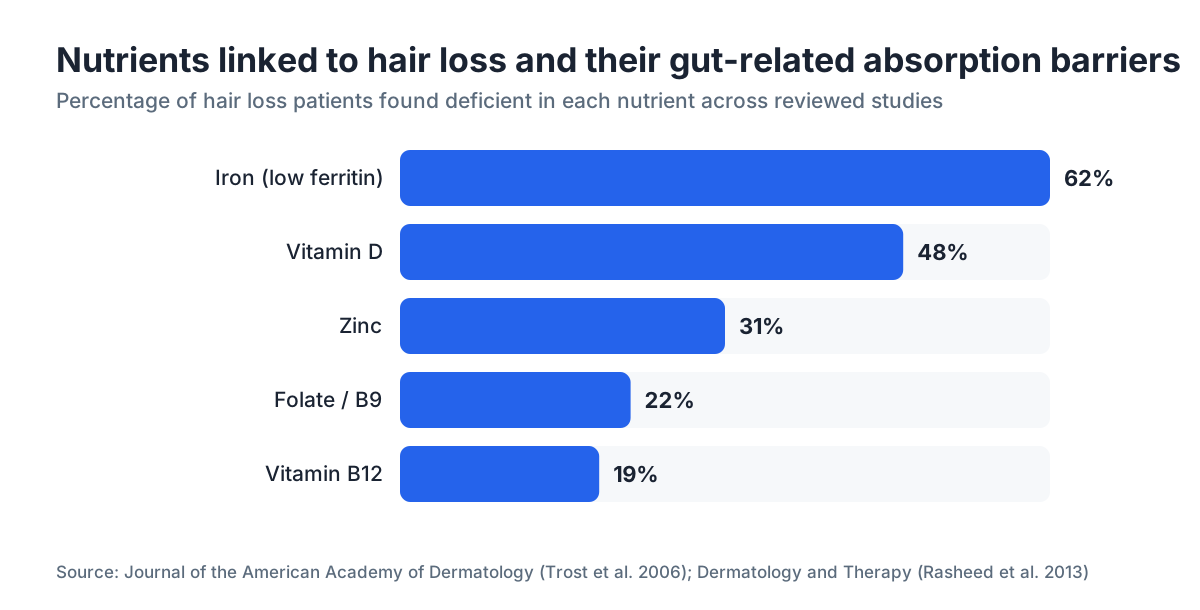
Iron deficiency is the single most common nutritional cause of hair loss, particularly in women. Even non-anemic iron deficiency (low ferritin without anemia) is associated with increased hair shedding in multiple studies [8]. The gut is where iron is absorbed, and conditions like celiac disease, inflammatory bowel disease, or small intestinal bacterial overgrowth (SIBO) can drastically impair iron uptake.
Zinc deficiency produces a specific pattern of hair loss and corrects with supplementation in deficient people. Biotin deficiency is rare in anyone eating a varied diet but can happen with gut conditions that impair B-vitamin absorption. Vitamin D, made in the skin but also absorbed from food in the intestine, has receptors in hair follicle keratinocytes. Low vitamin D is associated with alopecia areata and telogen effluvium, though causality isn't fully established [9].
Here's the practical point. If you have known gut disease or a history of gut symptoms (bloating, irregular bowels, food intolerances) alongside hair loss, getting a full nutrient panel drawn is genuinely useful, more than box-checking. A serum ferritin below 40 ng/mL is associated with hair shedding in some studies even when hemoglobin is normal. You can explore the full nutritional picture in our article on hair loss supplements.
| Nutrient | Role in hair growth | Gut condition that impairs absorption |
|---|---|---|
| Iron (ferritin) | Oxygen delivery to follicle, cofactor in DNA synthesis | Celiac disease, IBD, SIBO, low stomach acid |
| Zinc | Keratin structure, 5-alpha reductase regulation | Crohn's disease, diarrhea-predominant conditions |
| Vitamin D | Follicle cycling, immune modulation | Fat malabsorption, IBD, short bowel syndrome |
| Biotin (B7) | Keratin synthesis | Raw egg overconsumption, gut dysbiosis |
| Folate (B9) | Cell division in rapidly dividing follicle cells | Celiac disease, methotrexate use, IBD |
Can probiotics help with hair loss or regrowth?
Maybe, in specific circumstances. Selling you a probiotic capsule as a hair treatment would be misleading.
The most striking data comes from studies on Lactobacillus reuteri in mice, where supplementation increased skin thickness, hair follicle density, and sebum production dramatically, apparently through oxytocin signaling [10]. The mouse findings were interesting enough to generate real scientific attention, but controlled human trials specifically for hair loss are still thin.
For people whose hair loss sits downstream of gut-related nutrient deficiency or inflammatory gut disease, restoring gut health, including through targeted probiotics, can indirectly support hair recovery. That's different from saying probiotics treat hair loss.
For androgenetic alopecia specifically, no published trial shows that probiotics cut DHT levels enough to slow pattern hair loss in any meaningful way. The treatments with actual human trial evidence for pattern hair loss remain finasteride and minoxidil for men. Gut health work is an adjunct, not a replacement.
If you do want to try a probiotic, strains with the most published safety and efficacy data across conditions include Lactobacillus acidophilus, Lactobacillus rhamnosus GG, and Bifidobacterium longum. That's not a hair-specific claim, just the strains with the deepest general research backing.
What conditions connect gut disease directly to hair loss?
Several diagnosed conditions create a clear gut-to-hair pathway. If you have one of these, your hair loss and gut disease are almost certainly related, not coincidental.
Celiac disease causes autoimmune damage to the small intestinal lining, impairing absorption of iron, zinc, folate, and other nutrients hair needs. Hair loss is a recognized extraintestinal manifestation of celiac disease, and a gluten-free diet in diagnosed celiacs often leads to partial hair recovery over months to years [11].
Inflammatory bowel disease (Crohn's and ulcerative colitis) involves chronic gut inflammation, frequent nutrient malabsorption, and sometimes immunosuppressive treatments that carry their own hair shedding risks. Patients with active IBD have meaningfully higher rates of telogen effluvium and alopecia areata than the general population.
SIBO (small intestinal bacterial overgrowth) produces bloating, fat malabsorption, and can drive deficiencies in fat-soluble vitamins including D and K. It's underdiagnosed and sometimes missed for years while hair loss progresses.
Hypothyroidism and Hashimoto's thyroiditis belong here too. These are autoimmune thyroid conditions, not gut conditions as such, but gut dysbiosis is increasingly linked to autoimmune thyroid disease, and hypothyroidism is a major cause of diffuse hair loss. The gut-thyroid-hair axis is real even if it's not a simple chain. You can see how thyroid issues fit alongside other causes in what causes hair loss.
How do I know if my hair loss might be gut-related?
There's no single test that answers this cleanly. But certain patterns make a gut connection more likely.
Start with the type of hair loss. Gut-related hair loss almost always shows up as diffuse thinning across the whole scalp rather than a patterned recession at the temples or crown. A receding hairline following the Norwood scale is more likely androgenetic alopecia than gut-driven. If you're noticing diffuse shedding, check the receding hairline article to tell the two patterns apart.
Next, look for gut symptoms. Chronic bloating, irregular bowel habits, known food intolerances, or a diagnosed gut condition put you in higher-probability territory.
Then get labs. A useful minimum panel for hair loss with possible gut involvement includes serum ferritin (more than hemoglobin), zinc, 25-OH vitamin D, B12, folate, a full thyroid panel (TSH, free T4, TPO antibodies), and a complete metabolic panel. Your dermatologist or GP can order these. Tissue transglutaminase IgA antibody testing screens for celiac disease and is worth doing if you have any GI symptoms alongside hair loss.
At MyHairline, the free AI hair analysis at /scan is a useful first step to characterize what pattern you're dealing with before you start chasing causes. Knowing whether you have diffuse shedding or patterned loss changes which direction your investigation should go.
What dietary changes actually support both gut and hair health?
This is where you can take concrete action right now, without waiting for more research.
High-fiber diets are the most reliable way to increase microbial diversity and SCFA production. Aim for 25 to 38 grams of fiber daily (the range recommended by the Institute of Medicine, varying by age and sex) from vegetables, legumes, whole grains, and fruit. Most Americans average around 15 to 17 grams per day, so there's usually plenty of room to improve [12].
Adequate protein is non-negotiable for hair growth. Hair is roughly 95% keratin. Studies on protein restriction show clear telogen effluvium. Current evidence supports at least 0.8 grams of protein per kilogram of body weight as the floor, and many researchers studying hair suggest 1.2 to 1.6 g/kg for people with active shedding. Protein also feeds specific gut bacteria (though the fermentation products differ from fiber fermentation).
Fermented foods, including yogurt, kefir, kimchi, sauerkraut, and miso, increased microbiome diversity and reduced inflammatory markers over a 10-week period more effectively than a high-fiber diet alone in a Stanford randomized trial published in Cell in 2021 [13]. That's a single trial and shouldn't be overstated, but the result was genuinely interesting.
Ultra-processed food shrinks microbial diversity. The mechanism involves emulsifiers, artificial sweeteners, and the missing fiber and phytonutrients that gut bacteria live on. Cutting ultra-processed food is probably the single highest-leverage dietary move for gut health, with downstream benefits for everything including hair.
Omega-3 fatty acids from fatty fish, walnuts, and flaxseed have anti-inflammatory effects both systemically and at the gut lining. They're not a hair loss cure, but lowering inflammatory load is always in the right direction.
Can antibiotics or other medications cause hair loss through gut disruption?
Yes, though the relationship is layered.
Antibiotic courses, especially broad-spectrum ones, sharply reduce microbial diversity for weeks to months after you finish treatment. Repeated antibiotic use can produce more lasting shifts in microbiome composition. Whether this translates to measurable hair shedding in otherwise healthy people isn't well studied. In people with borderline nutrient status or a pre-existing gut condition, the extra dysbiosis from antibiotics could plausibly tip the balance.
Methotrexate, used for rheumatoid arthritis and some inflammatory conditions, causes hair shedding through direct folate depletion and is well established. Some biologic medications for IBD and rheumatic diseases list alopecia as a side effect.
Proton pump inhibitors (PPIs), prescribed for acid reflux and very widely used, cut stomach acid enough to impair iron, magnesium, and B12 absorption with long-term use. The FDA has acknowledged this risk in its labeling for PPIs [14]. If you've been on a PPI for more than a year and have unexplained hair shedding, low ferritin or B12 is worth checking.
Creatine gets asked about a lot here because some users notice hair shedding. The proposed mechanism there is DHT-related rather than gut-related. If that's your specific question, the full breakdown is at does creatine cause hair loss.
Should you address gut health before or alongside standard hair loss treatments?
Both, done right, is the practical answer.
If you have a diagnosed gut condition driving nutrient deficiency or systemic inflammation, treating that underlying condition is the right starting point. Layering minoxidil or finasteride on top of untreated celiac disease or iron deficiency anemia means the treatments fight a headwind.
If your gut health is generally fine and you have androgenetic alopecia (patterned hair loss), gut optimization is unlikely to stop pattern progression on its own. The evidence base for finasteride and minoxidil combined is far stronger than anything gut-related for pattern hair loss. These treatments work at the DHT level and the follicle level directly, where gut interventions have at most indirect effects.
The nuanced position: most people with hair loss benefit from both getting their nutritional foundations solid (which gut health supports) and using an evidence-based topical or systemic treatment if they have androgenetic alopecia. If side effects worry you, reviewing minoxidil side effects helps set realistic expectations before starting.
For people who've tried standard treatments without satisfying results, checking for an underlying gut issue is a legitimate next diagnostic step, not a fringe suggestion. It's just not where most people should start.
What does the scalp microbiome have to do with hair loss?
The scalp has its own microbiome, distinct from the gut, and it matters too.
Malassezia, a yeast genus that lives naturally on the scalp, is the primary driver of dandruff and seborrheic dermatitis. When Malassezia overgrows or the host immune response overreacts to it, the resulting scalp inflammation can add to hair shedding and may worsen androgenetic alopecia [15]. Antifungal shampoos (ketoconazole 2% in particular) reduce Malassezia load and have some evidence for reducing hair shedding as a secondary effect, though they're not approved as standalone hair loss treatments.
The gut and scalp microbiomes aren't isolated. Systemic inflammation from gut dysbiosis can shift the immune environment of the scalp, potentially changing which microbes thrive there. The two systems influence each other, though the direct evidence in humans is still limited.
This also explains why some people notice hair shedding when they dramatically change their diet. Shifts in the gut microbiome can temporarily raise systemic inflammation during the transition, producing a short-lived telogen effluvium before the gut settles into a healthier state. If you've started eating very differently and noticed more shedding, this transient effect is real and usually resolves within 2 to 3 months.
Sources
- Sender R et al., Cell 2016 - 'Revised Estimates for the Number of Human and Bacteria Cells in the Body'
- NIH National Institute of Diabetes and Digestive and Kidney Diseases - 'Your Digestive System & How It Works'
- Nature Communications 2021 - Gut microbiome and hair follicle cycling in germ-free mouse models
- Journal of Investigative Dermatology 2019 - meta-analysis on gut microbiome in alopecia areata
- Clarke G et al., Gut Microbiota and Androgen Metabolism - Frontiers in Endocrinology 2019
- Paus R et al., Journal of Investigative Dermatology - Hair follicle immune privilege and breakdown under systemic inflammation
- Rajput R, Journal of Cutaneous and Aesthetic Surgery - LPS and cytokine effects on dermal papilla cells and hair cycling
- Trost LB et al., Journal of the American Academy of Dermatology 2006 - 'The diagnosis and treatment of iron deficiency and its potential relationship to hair loss'
- Rasheed H et al., Dermatology and Therapy 2013 - Vitamin D and hair loss, serum 25-OH vitamin D levels in patients with alopecia areata
- Erdman SE & Poutahidis T, Cellular and Molecular Life Sciences 2016 - Probiotic Lactobacillus reuteri and hair follicle effects in mice via oxytocin signaling
- American Academy of Dermatology - Celiac disease and skin/hair manifestations
- Institute of Medicine - Dietary Reference Intakes for Energy, Carbohydrate, Fiber, Fat, 2005
- Wastyk HC et al., Cell 2021 - 'Gut-microbiota-targeted diets modulate human immune status': fermented foods trial at Stanford
- FDA Drug Safety Communication - 'Proton Pump Inhibitors: Drug Safety Communication - Low Magnesium Levels'
- Ro BI & Dawson TL, Journal of Investigative Dermatology Symposium Proceedings 2005 - Malassezia, dandruff, and seborrheic dermatitis